Best places to start a working holiday in Australia
Where you start your Australian working holiday shapes your job options, costs and route. Compare sensible city and regional bases by season, work goals and budget.
There's no single common place to start
Picking a first base shapes more than your first few photos. It affects how quickly you can sort a phone plan and bank account, how much hostel competition you'll face, how your job search rhythm plays out, and how much you'll spend on transport before you've earned a dollar. Get the timing and fit roughly right and the first month feels manageable. Get it badly wrong — wrong season, wrong budget, wrong pace — and you can burn savings before you've even settled in.
There is no city that works for everyone. Sydney, Melbourne, Brisbane, Cairns and the Tropical North, Perth, and Adelaide or regional South Australia can all be sensible starting points — the right one depends on when you arrive, what kind of work you're chasing, how much savings buffer you have, and which direction you plan to travel afterwards. This guide compares the trade-offs rather than picking a winner, so you can match a base to your own situation instead of someone else's trip.
Before you lock anything in, it's worth double-checking your working holiday visa conditions, since your grant dates, work rights and any regional work goals will influence which base actually makes sense first.
How to choose your starting base
Rather than ranking cities, it helps to filter by four things: the season you're arriving in, the type of work you actually want first, how much of a savings cushion you're carrying, and which direction you eventually want to travel. Run through these before you look at any comparison table — they'll narrow the field far more usefully than a list of pros and cons ever could.
If you're torn between a big-city landing and heading straight to a regional area, this checklist is usually more useful than the comparison table below — it forces you to name your actual priorities before you get swayed by a cheap flight or a friend's recommendation.
What you usually need to sort before you commit
Wherever you start, a similar list of admin tasks tends to come up in the first week or two: confirming your visa grant details, having an Australian phone number, sorting a bank account, applying for a tax file number, and keeping digital and paper copies of your passport, visa grant notice and any employment paperwork. None of this is city-specific, which is part of why the choice of base matters less for admin and more for job type, cost pressure and pace.
Once you have an Australian address or hostel contact sorted, it's worth working through how to open an Australian bank account and how to apply for a TFN early, since payroll for almost any job depends on both being in place. Some travellers prefer a major city first purely because this setup feels familiar; others push straight towards regional work if timing or specified-work goals make that the priority, and are happy to sort banking and tax details on the way through.
Compare common places to start a working holiday
The table below compares broad patterns only — it isn't a ranking, and it deliberately avoids specific job numbers, rents or hostel prices, since those shift by season and year. Treat it as a starting filter, then check current listings, hostel availability, transport options and weather before you commit to flights.
Use the table to match a base to your next month, not your whole trip. Plenty of backpackers start in one city, adjust after a couple of weeks, and move again once they've got a feel for the job market and their own budget.
Which base tends to suit which traveller
These are general patterns rather than rules — plenty of people do well breaking from the typical fit below.
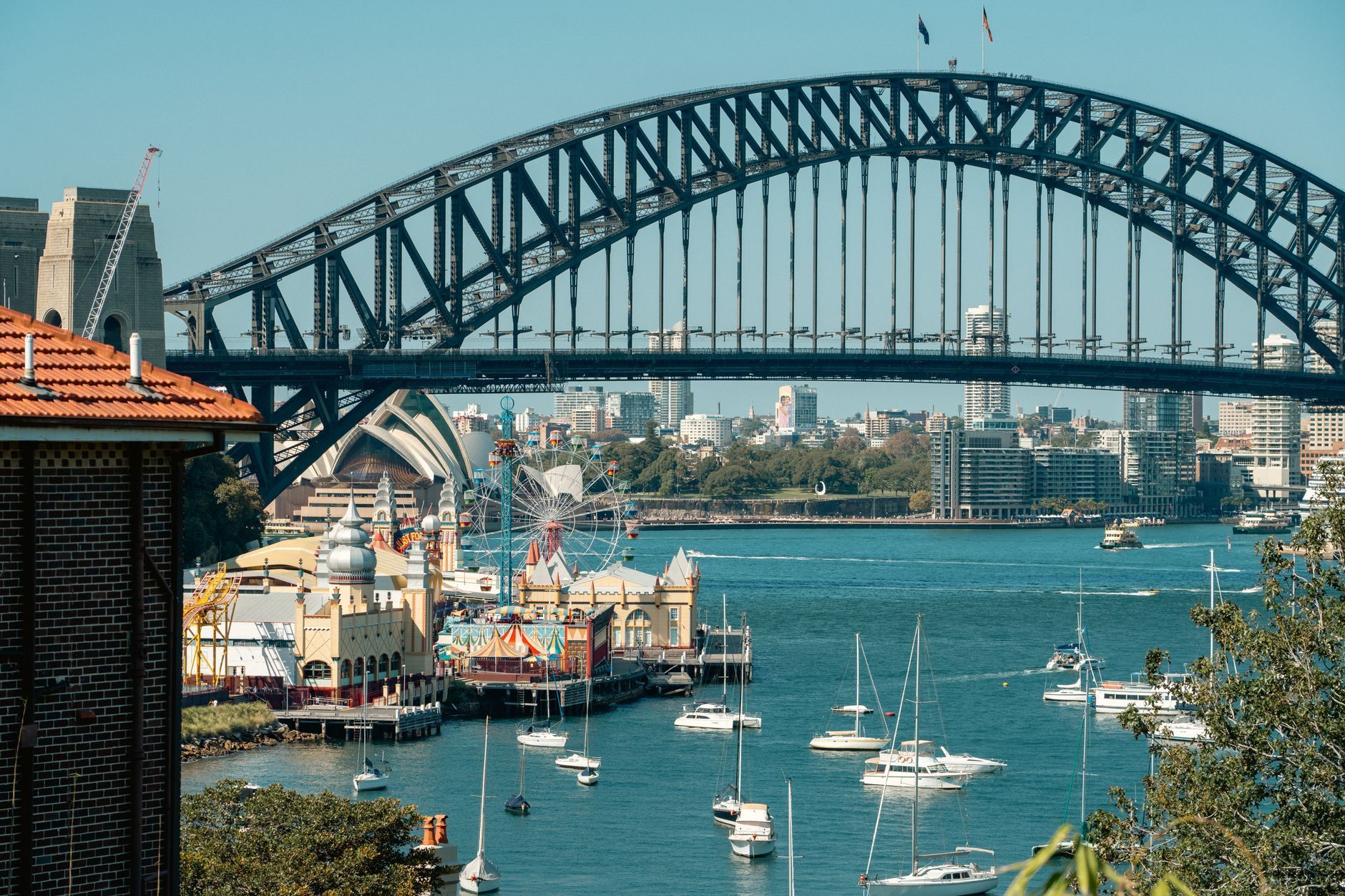
Sydney and Melbourne tend to suit backpackers who want a familiar big-city landing, a wide spread of hospitality and retail work, and easy onward transport. Sydney may feel straightforward if you want a major international arrival point, lots of other new arrivals around you and quick access to coastal NSW routes. Melbourne can suit travellers who like a culture-heavy city start, café and bar scenes, live events and a slower settle-in before moving on. The trade-off in both places is more competition for entry-level roles and shared housing, so a slightly larger savings buffer helps while you find your feet. They are usually stronger choices for travellers who want to start with admin, networking and city work rather than immediately chasing regional or agricultural roles.
Brisbane and Cairns/Tropical North suit travellers keen to blend city admin with nearby regional or tourism work, or who are planning an East Coast Australia route and want a warmer starting point. Brisbane gives you a bigger city base while still keeping Queensland travel in view, which can be useful if you're not sure whether you want city shifts, regional work or a north/south travel route first. Cairns leans more tourism- and agriculture-adjacent, so it can suit those already thinking about reef and rainforest travel, tour-sector networking or regional work. The caution is timing: tropical weather, wet-season comfort, transport distances and seasonal demand all need checking before you commit to a long stay.
Perth and Adelaide or regional South Australia suit travellers whose route runs through the west or south first, or who specifically want access to regional harvest or vineyard work without starting in one of the biggest capitals. Perth can make sense if Western Australia is already part of your plan, especially if you're interested in a west-coast route, hospitality, retail or service work connected to regional industries. Adelaide can appeal if you want a smaller-city landing with wine regions and regional South Australian options within reach. Both come with a smaller job market than Sydney or Melbourne, so they tend to reward people who've already researched what's actually hiring, how they will get there and where they will stay if work is outside the city.
Seasonal notes before you book flights
Season changes how each base actually feels. Summer holidays and school breaks can affect accommodation and hospitality demand in some places, southern capitals get much cooler in winter, and the tropics run through a wet season that affects both comfort and some outdoor and agricultural work. Shoulder seasons can be easier for travellers who want fewer extremes, but they still need checking against local events, transport timetables and hostel availability. Rather than guessing, it's worth reading a best time to visit Australia as a backpacker overview alongside this comparison, since climate and event timing can shift which base makes sense for the weeks you'll actually be there. If your first month is mostly about finding work, check current local listings and talk to hostels before booking a long stay; if it's mostly about travelling first, check weather, route direction and intercity transport before choosing a landing city.
First-week admin pointers once you land
A simple order tends to work: get a local SIM or phone plan sorted, book accommodation for the first several nights so you're not job-hunting from a moving location, open a bank account, apply for your TFN, tidy up a basic CV for the local market, and then start actively researching work. Give yourself time to walk into venues, register with legitimate recruiters if relevant, ask hostels what employers are actually looking for, and compare job ads instead of replying to the first vague post you see. When you get to that last step, it helps to read a guide to finding backpacker jobs so you know how to read ads carefully, spot unclear pay arrangements, and avoid unpaid trial shifts that aren't handled properly. Keep copies of payslips and any employment paperwork as you go, particularly if regional or specified work might matter to you later.
Costs, pressure points and trade-offs
Rather than quoting figures that go stale quickly, it's more useful to think by category: hostel beds and any rental bonds, public transport and intercity travel, food, work-appropriate clothing, and an emergency buffer for the unexpected. Cities generally make admin and networking a little easier — more hostels, more transport options, more people to compare notes with — while a regional-first plan can mean fewer distractions but requires more upfront research into transport, accommodation and whether the work actually suits your visa goals, including 88 days farm work rules if that's part of your plan. Big cities can also tempt you into spending more on nights out, longer hostel stays and short trips before income is steady, while regional moves can create surprise costs if you need a car, work clothing, deposits or last-minute transport. Whichever way you lean, arriving with no financial buffer, booking a string of non-refundable plans, or assuming work will appear on day one in any city or region tends to cause the most stress.
Common mistakes when choosing a first base
One common mistake is choosing a flight purely because it's cheap, without checking the season, local transport, first-week accommodation costs or how it connects to your onward route. Another is copying another traveller's exact plan even though their visa timing, savings, work goals or comfort with regional travel are different from yours — what suited them might not suit you at all. A third is treating social media claims about "easy jobs" or likely farm work as reliable without checking the employer, pay arrangement, actual location, transport requirements and whether the role genuinely lines up with your visa and work goals.
Official sources to check
Where you start is your choice, but your work rights, visa conditions and minimum pay are not. Confirm those against the agencies that set them before you book flights or accept a job:
- Department of Home Affairs: Working Holiday Maker program
- Department of Home Affairs: Working Holiday visa (subclass 417)
- Department of Home Affairs: Work and Holiday visa (subclass 462)
- Department of Home Affairs: Working Holiday Maker work conditions
- Department of Home Affairs: check your visa conditions online (VEVO)
- Fair Work Ombudsman: minimum wages
- ATO: TFN application for temporary visitors
FAQ
Is Sydney or Melbourne better to start a working holiday? Both can work well as a first base — the better fit depends on your budget, weather preference, the industry you're chasing, whether you already have contacts in one city, and which direction you plan to travel next. Neither is objectively better for every traveller.
Should I start in a city or go straight to regional work? It depends on how comfortable you are handling admin without a big support network nearby, how much savings buffer you're carrying, whether specified or regional work is a near-term goal, and how confident you feel arranging transport in a smaller town. Cities tend to be simpler for first-week setup; regional areas can suit those with a clearer work plan already in mind.
Is Cairns a good place to start a working holiday? It can be, particularly for tourism, hospitality or agriculture-adjacent work, but it's worth checking the season carefully — the wet season affects both comfort and some outdoor work — and factoring in the distance from southern cities if your route runs further south afterwards.
Which Australian city is cheaper for backpackers? There isn't a single cheapest city — costs shift by season, suburb, hostel availability and your own lifestyle choices. Rather than chasing a supposedly cheap city, it's more useful to build a realistic buffer and compare current listings for wherever you're actually considering.
Where should I start if I want to do 88 days of regional work? The starting city matters less than confirming eligible work, location and dates carefully, then keeping thorough records. A dedicated 88 days guide covers eligibility and documentation in more depth; use it alongside this comparison when deciding whether a city or regional base fits your plan better.
How long should I stay in my first base? Plan the first one to three weeks flexibly rather than locking in a long stay upfront. Extend only once work, accommodation and your onward route are actually falling into place — it's far easier to leave early than to unwind a long-term commitment that isn't working out.
Next step
Choose a base that fits your first month, not someone else's whole trip. Once you've picked a rough direction, the next priority is making sure your visa conditions, tax file number, bank account and job search are lined up properly before you get too deep into exploring.