Great Barrier Reef tours from Cairns
A comparison of the main Great Barrier Reef trip types you can book from Cairns, so you can match the boat to your budget, your sea legs and whether you actually want to dive.
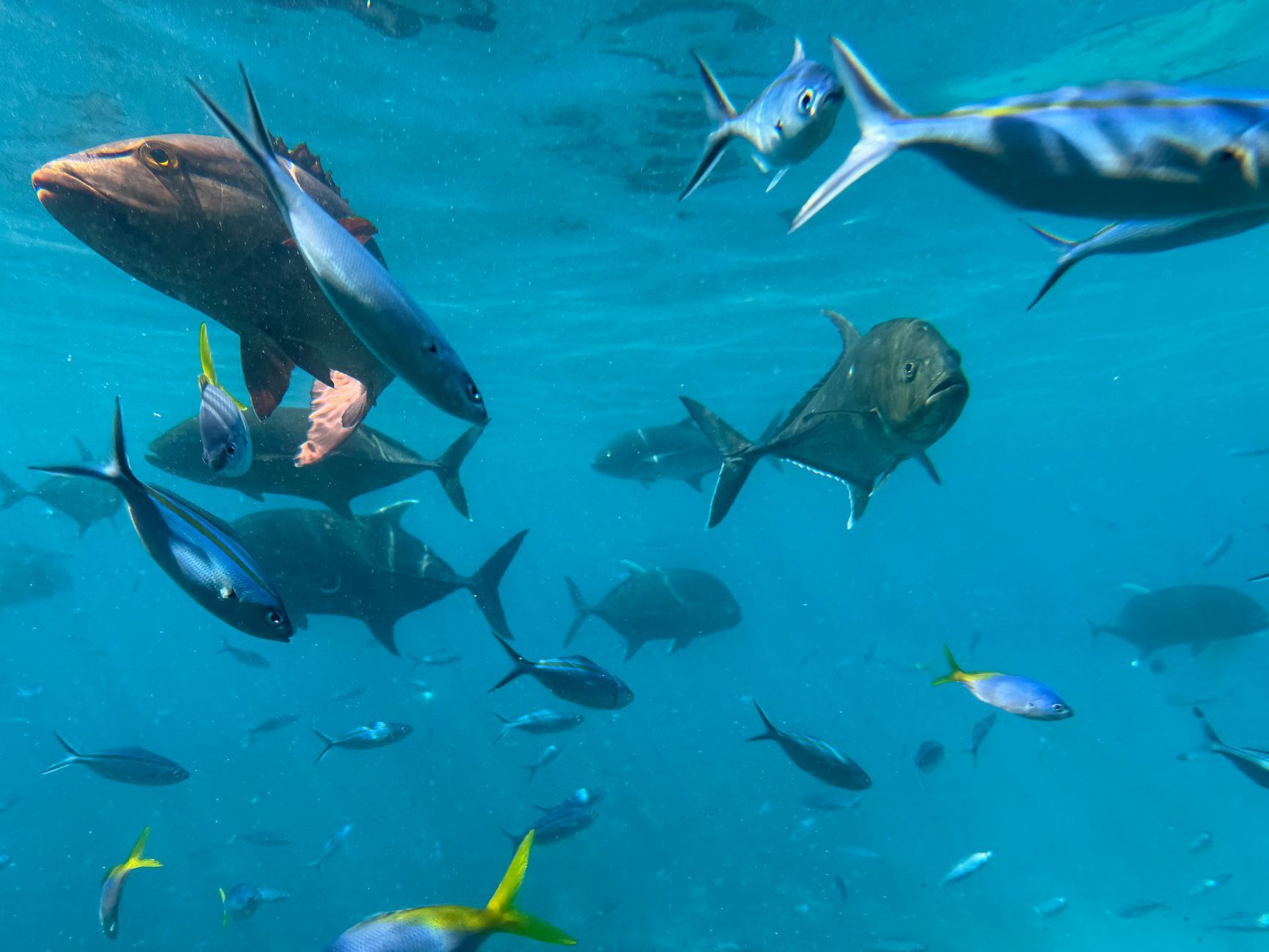
Cairns is the busiest gateway to the Great Barrier Reef, and for most backpackers travelling the east coast it is where a reef trip actually gets booked. The hard part is not finding a boat — hostel noticeboards, booking desks and waterfront agencies will all offer you one within minutes of arriving. The hard part is working out which kind of reef trip suits you, because the options range from a huge catamaran carrying a large day-trip crowd to a small sailing boat, a dive-focused vessel or a multi-day liveaboard.
This guide compares the main tour types rather than ranking operators. Prices, departure times, boats and inclusions change constantly, so nothing here quotes a dollar figure or a schedule — you will need to check those directly with whoever you book through. What does not change much is the shape of each trip type: who it tends to suit, what the day feels like, and the trade-offs worth knowing before you hand over a deposit. If you are still planning the wider stop, the Cairns and the Tropical North destination page is a useful companion.
How to choose a reef trip from Cairns
Six questions narrow the field faster than reading twenty booking pages. What is your budget, and is this the one splurge of your Queensland leg? Do you want to dive, or is snorkelling enough? How well do you handle boats in swell? How much of the day do you want to spend on the water rather than in it? Do you prefer a small group or do not mind a big one? And do you want the outer reef, or is an inner-reef island day closer to what you are after?
Budget is usually the first filter, and it pays to be honest about what you are buying. A cheaper trip is often cheaper because it carries more people, spends less time at the reef, visits closer sites or includes less gear. That does not make it a bad day out, but it does mean the sticker price alone is a poor comparison. Ask what is included before you compare two numbers.
Timing matters too. If Cairns is one stop on a longer run up or down the coast, work out how many days you have here before committing to a liveaboard that eats three of them. The east coast route guide is a good place to sanity-check how Cairns fits into the wider itinerary.
The main reef tour types from Cairns
Large outer reef day boats
This is the standard Cairns reef day: a fast catamaran heads out to the outer reef in the morning, stops at two or three sites, and returns in the afternoon. Snorkelling gear is normally included, there is usually a crew briefing, and dives can often be added as an extra. These boats carry a lot of people, which keeps the price down and means departures run most days. If you want to see the outer reef once, without a big commitment, this is the default answer.
Pontoon-based day trips
A pontoon is a moored platform anchored at a reef site with facilities on board — usually shade, a place to eat, an underwater viewing area and easy water access from a stable deck. Instead of moving between sites, you stay at one location for most of the day. Pontoons suit nervous swimmers, mixed groups and anyone who wants to get in and out of the water repeatedly without hauling themselves back onto a rocking boat. The trade-off is that you see one reef site, not several.
Small-group sailing and catamaran trips
Sailing trips carry far fewer passengers and usually visit inner or mid-reef sites rather than running hard for the outer reef. The atmosphere is the selling point: a smaller group, more time talking to crew, and a slower day. These trips are popular with backpackers who want the social side as much as the snorkelling. Do check whether the boat actually sails or motors most of the way, and whether the sites are inner or outer reef, because the two are quite different experiences.
Dive-focused day boats
Some boats are built around diving rather than treating it as an add-on. They tend to carry fewer passengers, run more dives per day and are crewed by instructors and divemasters rather than a general tour team. Snorkellers are often welcome but are not the priority. If you are certified and want more than one dive, or you are doing an open water course, a dive-led boat will generally give you more water time than a mixed day-trip vessel.
Liveaboard multi-day dive trips
Liveaboards sleep on the water, which lets them reach reef sites that day boats cannot get to and back from in one run. You get more dives, including night dives on many trips, and you skip the daily transit. Accommodation on board ranges from shared bunk-style cabins to private ones. This is the most expensive option and the biggest time commitment, so it makes most sense if diving is the reason you came to Cairns rather than a nice extra.
Inner reef island days: Green Island and Fitzroy Island
Green Island and Fitzroy Island are inner-reef islands reached by a much shorter crossing than the outer reef. They give you a beach, walking tracks and snorkelling off the sand or a short swim out, usually with a choice of return transfers. Because they are inner reef, the coral and marine life differ from an outer reef site — not automatically worse, but not the same thing. They work well if a full outer reef day does not fit your budget or your stomach.
Snorkelling, introductory dives and certified dives
Most people who visit the reef from Cairns snorkel rather than dive, and it is worth saying plainly that snorkelling is not a consolation prize. Much of the coral at reef sites sits close enough to the surface that a mask and a flotation vest will show you plenty. Boats normally provide masks, snorkels, fins and a flotation device, and crew are used to people who have never snorkelled before.
An introductory dive lets you dive without a licence under direct instructor supervision, usually after a briefing on the boat and in shallow water first. A certified dive requires a recognised qualification and, on many boats, evidence of recent diving experience. Operators set their own conditions around age, swimming ability and health screening, and a medical questionnaire is common — so treat any specific requirement you read online as a starting point and confirm it with the operator you book with.
Two practical points catch people out. Flying after diving has recommended surface intervals, so check the timing before booking a dive on your last day in Cairns. And if you have any respiratory, cardiac, ear or sinus history, you may need a doctor's sign-off — worth sorting before you are standing on the wharf.
Cairns or Port Douglas departures
Reef trips also depart from Port Douglas, about an hour north of Cairns by road, and they generally head to different reef systems. Neither departure point is objectively better. Cairns has more boats, more competition and the easiest logistics if you are based in town — the Cairns things to do hub is the quickest way to see what else is running while you are there.
Port Douglas trips add a road transfer at each end of an already long day if you are staying in Cairns, so factor that in. They can make more sense if you are heading north anyway and planning to pair the reef with the rainforest — the Daintree and Cape Tribulation guide covers that side of the trip. Many backpackers do one reef day and one rainforest day and find that combination is plenty.
Reef conditions, comfort and reef care
Seasickness is the most common thing that ruins a reef day, and the crossing to the outer reef is open water. Wind and swell vary day to day. If you are prone to motion sickness, take something before you board rather than once you feel unwell, sit low and central, keep your eyes on the horizon, and consider a pontoon over a multi-site outer reef run.
Marine stingers are a real consideration in tropical North Queensland during the warmer months. Boats commonly provide stinger suits, and wearing one is sensible whether or not you think you need it — it also doubles as sun protection. Stinger season timing shifts from year to year and by location, so follow current Surf Life Saving Queensland advice, local signage and crew instructions rather than fixed dates. The best time to visit Australia guide gives broader seasonal context for the tropics, including the wet season.
Sun exposure on the water is stronger than it feels, because you get it from above and reflected off the surface at once, with a breeze that hides the burn until you are back on shore. A rash vest or stinger suit does more for you than repeat sunscreen applications. Where you do use sunscreen, reef-safer formulations are widely recommended around coral.
The reef is a managed marine park, and how you behave in the water matters. Do not stand on, touch or kick coral, keep a respectful distance from marine life, and follow the crew briefing on where you can and cannot swim. Reef access fees or environmental management charges may apply and are not always shown in the headline price, so ask whether they are included. Current park rules and charges are published by the Great Barrier Reef Marine Park Authority.
Choosing a responsible operator
Reef tourism operates under permits, and many operators hold eco or high-standard tourism certification. Certification status changes, so treat any claim on a flyer or booking site as something to verify rather than a fact. Look for the operator's own reef-care information, and ask what they do about coral protection, waste on board and reef monitoring.
Beyond certification, the practical signals are simple. A good operator gives a clear safety and reef-care briefing, keeps group sizes sensible in the water, is honest about conditions on the day, and is upfront about what happens if a trip is cancelled. Be wary of anyone promising specific wildlife sightings or perfect visibility — nobody can guarantee either.
There is no single best reef trip from Cairns — only the one that matches your budget, your sea legs, your swimming confidence and the time you have. Work out which of those constraints is tightest, pick the tour type that respects it, then compare operators on inclusions rather than headline price.