Backpackers guide to Great Keppel Island
A practical backpacker guide to Great Keppel Island, covering beaches, snorkelling, walks, ferry access from Rosslyn Bay and where to base yourself. Use it to decide whether this quieter Southern Great Barrier Reef stop fits your Queensland route.
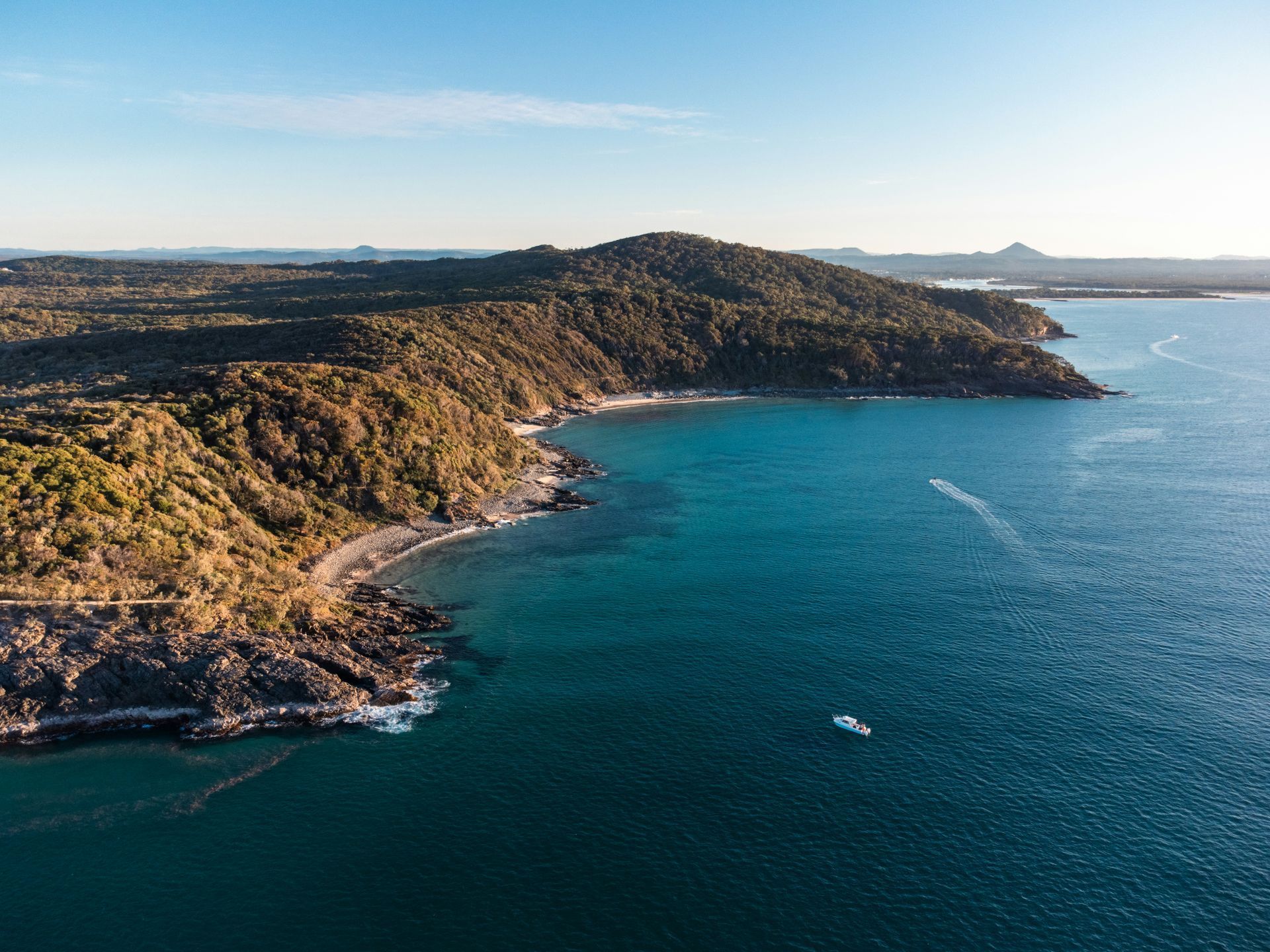
Great Keppel Island: a quieter island stop on the Southern Great Barrier Reef
Great Keppel Island sits in the Southern Great Barrier Reef off Queensland's Capricorn Coast, reached by boat from Rosslyn Bay near Yeppoon. It is a genuine island escape: sandy beaches, clear water, walking tracks through low coastal scrub and snorkelling when conditions allow, without the pace of bigger East Coast backpacker destinations.
It suits backpackers who want a slower-paced beach stop: somewhere to swim, snorkel and walk between headlands without needing to organise much beyond catching a boat and carrying enough water. If you are tired of packed hostel bars and want a day or two of actual island time, Great Keppel Island is worth considering.
One day gives you a real taste — beaches, a snorkel and a short walk — but one or two nights gives you breathing room. You stop rushing between the boat schedule and the sunscreen and you actually get a feel for the island. Either way, this guide focuses on practical planning rather than luxury travel.
The island and the mainland: understanding your base options
Great Keppel Island itself does not have a dense town centre. What you get is a stretch of beaches, some walking tracks connecting headlands and bays, basic visitor facilities and whatever accommodation is currently operating on the island. Movement is mainly on foot or by boat rather than by road.
Yeppoon is the main mainland base for most travellers. It is the largest town in the area, has food, shops, transport connections and is close to Rosslyn Bay Harbour where boats depart for the island. If you are arriving by bus, driving the Bruce Highway corridor or connecting through Rockhampton, Yeppoon is usually the simplest stop.
Emu Park is a smaller, quieter coastal town south of Yeppoon. It has a beach of its own and a slower pace, but fewer services. It can work if you have a vehicle and want a more relaxed Capricorn Coast experience, though you will still need to reach Rosslyn Bay for the boat to the island.
Where to stay: mainland base or island overnight
The practical answer for many backpackers is to base yourself on the mainland and visit Great Keppel Island as a day trip or short overnight. The mainland gives you more food options, easier access to transport, more accommodation choice and fewer logistical complications if weather affects the boat service.
Yeppoon is the most practical base because it is close to Rosslyn Bay and has the widest range of services. Emu Park suits travellers who want a quieter beach town and have their own vehicle, but it is less convenient if you are relying on public transport or shuttles for the mainland leg.
Island accommodation does exist but can be limited and subject to change. Before building your route around an overnight stay on Great Keppel Island, check what is actually operating and whether it suits your budget. If you find something current and affordable, an island overnight can be worthwhile because the mornings and evenings feel very different from a day trip.
The trade-off is straightforward: mainland flexibility versus island atmosphere. A day trip from Yeppoon keeps costs and logistics simpler. An island overnight costs more but gives you calmer mornings, a second beach, and the kind of slow travel that can make a regional stop memorable.
Things to do on Great Keppel Island
Great Keppel Island is not an activity hub. There are no big backpacker nightlife circuits and no need to over-schedule. What it does offer — beaches, snorkelling when conditions suit, coastal walks and genuine quiet — is exactly what a certain kind of backpacker needs after a run of busy stops.
The beaches vary in exposure, so which one you choose matters. Ask locally or check conditions on the day before committing to a beach for the afternoon. Wind direction, tide and swell can affect water clarity and how comfortable a swim will be.
For snorkelling, Monkey Point, Shelving Beach and Clam Bay are commonly discussed spots around the island. Water clarity at all three depends on weather, wind, tides and seasonal conditions, so do not plan the whole trip around snorkelling as a guarantee. Treat it as a likely bonus, bring your own mask and fins if you have them, and confirm any hire options before you rely on them.
Reef care matters wherever you swim in the Great Barrier Reef marine area. Do not stand on coral, do not touch or chase marine life, and choose reef-aware sunscreen where possible. The Southern Great Barrier Reef is part of a protected marine system, so keep your impact low.
Walking between beaches and up to headland viewpoints is one of a common low-cost activities on the island. There are short beach-to-beach routes and longer track options through the island's scrubby interior. Heat, water supply and track condition matter, so bring more water than you think you need, wear shoes that can handle uneven ground and check whether any tracks are currently open before you go.
Wildlife around the island can include sea turtles, rays, reef fish and coastal birds. Sightings are never likely, but keeping an eye out while snorkelling or walking is worthwhile. Give animals space and do not try to feed, touch or follow them.
Great Keppel Island is worth the effort if you want a relaxed beach-and-snorkel stop in the Southern Great Barrier Reef. It is a weaker fit if you need reliable nightlife, a choice of social hostels or a packed schedule of organised activities. Go knowing what it is — an island beach day or short escape — and it will deliver that well.
Getting there and getting around
The standard access route is to get yourself to Yeppoon on the Capricorn Coast, make your way to Rosslyn Bay Harbour, then take a ferry or boat transfer across to Great Keppel Island. Yeppoon is commonly reached via Rockhampton, which sits on the main Brisbane–Cairns road and rail corridor.
Ferry and boat services to Great Keppel Island are run by private operators. Times, luggage rules, weather cancellation policies and prices all change, so check directly with current providers before you book anything. Do not rely on schedules found in older travel forums or blogs.
If you are going as a day tripper, the key constraint is the last return boat of the day. Everything you plan on the island — which beaches, how long you walk, when you eat — should fit inside that window with time to spare. If you are staying overnight, you have more flexibility but need to confirm accommodation, food and any essential supplies before you leave the mainland.
On the island itself, you mostly move on foot. Do not expect taxis or a public transport network. Some operators may offer water transfers or tours between specific beaches, but do not assume this is available. Walking between beaches is part of the experience and is manageable for many travellers if you carry water, allow for heat and turn back early enough.
Great Keppel Island slots into a Queensland coastal route as an extra stop between larger backpacker hubs rather than a destination in its own right. If you are already working through the East Coast Australia guide and figuring out where the Capricorn Coast fits into your schedule, Great Keppel Island works well as a one-to-two-day detour between bigger stops.
How long to spend and what to pack
A day trip works if you catch an early boat and plan carefully. Use the morning for a snorkel at one of the calmer bays if conditions suit, spend the middle of the day on a beach with shade, do a short coastal walk later in the day and return with plenty of buffer before your boat. You will get a genuine feel for the island, but do not try to squeeze in every beach and track.
One night changes the experience considerably. You arrive without the pressure of a same-day return, you can swim and walk without rushing, and the next morning is yours before you leave. This is the sweet spot for many backpackers who want more than a day trip but do not want to extend much further.
Two nights suits travellers who are genuinely after a reset. The extra time helps if wind or poor visibility affects one day, gives you more time for walking and makes the island feel less like a sightseeing stop. Not everyone needs this, but it can be a strong choice if your budget and route allow.
In a broader Queensland route, Great Keppel Island works best as an optional coastal detour rather than a mandatory stop. Backpackers travelling through Brisbane, the Sunshine Coast, Noosa, Airlie Beach and Cairns can add the Capricorn Coast as a quieter mid-route break. For seasonal timing across different regions, see the best time to visit Australia guide. It does not replace stops like K'gari, Airlie Beach or Cairns; it complements them as a lower-key island experience.