Great Ocean Road tours from Melbourne
Compares one-day tours, overnight trips, hire cars and campervans for the Great Ocean Road from Melbourne, with the main Shipwreck Coast stops, koala-spotting areas and how long the day really runs.
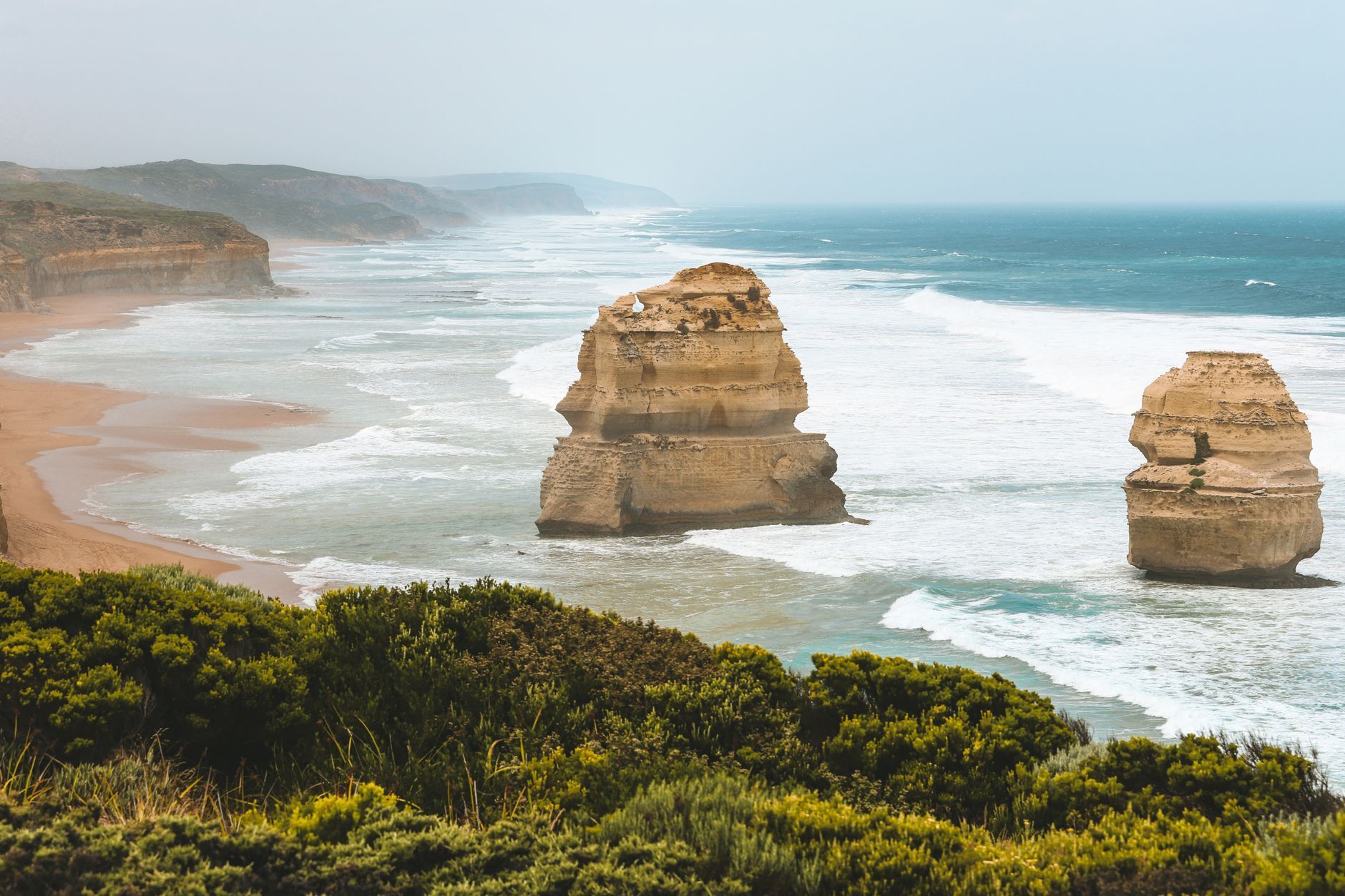
The Great Ocean Road is the day trip almost every backpacker in Melbourne hears about in their first week, and it deserves the reputation. What catches people out is the scale of it. This is a long coastal road that runs along the surf coast, climbs through the Otway ranges and finishes at the limestone stacks of the Shipwreck Coast — and the famous Twelve Apostles sit near the far end rather than halfway along.
That geography drives the only real decision you have to make: how much of a rush you are willing to accept. A one-day bus tour gets you there and back without a licence, but it is a very long day of short stops. An overnight trip costs more and uses another day, but it changes the trip completely. Driving yourself gives you control and can work out well split between a few people. This guide compares those options honestly instead of pretending one of them is right for everyone.
How to choose your Great Ocean Road trip
Start with budget, but not just the headline figure. A tour seat is one simple payment. Self-driving splits into hire, fuel and possibly a one-way fee, which only looks cheap once you have people to share it with. Rates and inclusions change constantly, so treat anything you read as a starting point and confirm what is current when you book.
Then work out whether anyone in your group can legally drive here. Overseas licences, minimum driver ages, young-driver surcharges, insurance excess and rules about unsealed roads all vary between hire companies, and some of those clauses will rule out the cheapest quote you find. The Australia backpacker transport guide covers hire car and campervan basics in more detail.
Finally, be honest about how much you dislike long bus days and how much daylight you actually have. In winter the usable light is much shorter, so a one-day tour spends more of the trip in the dark and you are likelier to reach the coast under flat grey cloud. If your dates are still flexible, the best time to visit Australia guide is worth a read first.
What a one-day tour really involves
A one-day tour is a big commitment of hours. Expect an early city pick-up, a full day on the road and an evening return, commonly well over twelve hours door to door. Operators set their own departure and return times and adjust them by season, so read the timings on the booking page rather than trusting a figure from a forum.
The stops are short by design. You will usually get a surf coast beach or lookout, a break somewhere around Lorne or Apollo Bay, a rainforest or waterfall walk in the Otways, then the Shipwreck Coast lookouts. Ten or fifteen minutes at a viewpoint is normal. That is enough to see a place; it is not enough to walk a headland or wait out the weather.
You will also reach the Twelve Apostles inside the tour-bus window, which is the busiest part of the day and often the flattest light. That is the honest trade-off of the format. If a quiet Apostles is the thing you actually want from this trip, a day tour is the wrong tool for it.
The overnight or two-day option
Adding a night changes the pace far more than the extra distance suggests. Instead of one hurried pass you get an evening and an early morning on the coast, which is when the light is best and the car parks are emptiest. It also builds in slack: if the first afternoon is a washout, you still have the next morning.
You also get time for the walks day tours skip — a proper stretch of Otways rainforest, a beach that is not a photo stop, an unhurried loop of the Loch Ard Gorge tracks. Inclusions vary a lot between operators, so ask exactly what is covered, and check what the overnight stay actually is; the backpacker accommodation guide is useful background if you are comparing what you get for your money. If you are weighing this against the other big Melbourne day trip, the Phillip Island penguin tours guide covers that one the same way.
Driving it yourself
Self-driving is the flexible option and, split three or four ways, often the best value. It comes with real conditions attached. Hire terms differ between companies on minimum driver age, young-driver fees, insurance excess, one-way drop-offs and whether unsealed roads are permitted at all. Read those clauses before you pay, not at the counter.
If you have not driven in Australia, remember you will be on the left, and the coastal section is narrow, winding and full of other tourists doing exactly the same drive. Allow considerably longer than a map estimate, because you will stop more than you plan to and the bends do not let you make up time. Use the marked slow-vehicle bays to let locals past instead of being pushed along.
Wildlife here is a hazard, not a novelty. Kangaroos, wallabies, koalas and echidnas move around at dawn and dusk, and the Otways stretch has plenty of them. Driving the winding sections in the dark is the easiest way to turn a good trip into an insurance claim, so plan to be off them before nightfall.
Fuel, food and phone reception all thin out west of Apollo Bay, so fill up while you still have choices. Many self-drivers also return to Melbourne inland via Colac rather than retracing the coast, which shortens the drive home. Check current road conditions with VicTraffic before you set out, especially after storms.
The coast in order, Torquay to Apollo Bay
Torquay is where the surf coast begins, with Bells Beach just to the south — a working surf break rather than a swimming beach, and a place that looks completely different depending on the swell. Further on, Anglesea and Aireys Inlet bring the first proper stop for most trips: the Split Point Lighthouse, with a short walk out to the cliff lookouts. Arrangements for going inside the lighthouse change, so check current details if that matters to you.
Lorne is the main service town on the eastern half — a strip of cafés, a pier and a beach that gets busy over summer. Inland from town, the Erskine Falls area and the surrounding Otways tracks give you rainforest and waterfalls within a short drive. Closures for storm damage and maintenance are common, so check Parks Victoria alerts before you build a walk into your plan.
Between Lorne and Apollo Bay, the Kennett River area and the Cape Otway road are the best-known places to look for wild koalas, along with king parrots and cockatoos. Sightings are never guaranteed — koalas sleep for most of the day and move around — and feeding or touching wildlife is both discouraged and harmful. Park safely, watch from the verge and keep your distance.
Apollo Bay is the natural overnight point and the last decent-sized town before the road turns inland through the Otways. From here you can detour into the ranges for rainforest walks and waterfalls, or push west towards the Shipwreck Coast.
The Shipwreck Coast: Gibson Steps to Port Campbell
West of the Otways the road returns to the sea and the scenery changes completely: low, exposed limestone cliffs with offshore stacks. Gibson Steps is the first of the famous stops, a staircase cut down to the beach beneath the cliffs. The Twelve Apostles viewing area is a short drive on, with boardwalks and lookouts rather than beach access.
Further west, Loch Ard Gorge has a cluster of short walks and lookouts around a narrow inlet, and Port Campbell is the small town where most people stop for food. The lookouts continue past Port Campbell, though many one-day tours turn for home before reaching them.
Everything along this coast is subject to closure. Erosion, storm damage and repair works regularly shut the Gibson Steps staircase, individual lookouts and beach access points, sometimes for long stretches. Check Parks Victoria and the Great Ocean Road Coast and Parks Authority for current access before you plan around one particular stop, and take signed closures seriously — these cliffs fail without warning.
Direction, timing and crowds
Most day tours run the coast in one direction and return inland, which is why the trip feels one-way. Self-drivers have more room to play with, and some head west early on the inland highway to reach the Apostles ahead of the buses, then drive the coast back at a slower pace. It is a reasonable tactic rather than a rule, and it trades a chunk of morning coastal scenery for a quieter viewing area.
Sunrise and sunset at the Twelve Apostles are the two windows people talk about, and both are realistic only if you are self-driving or staying nearby overnight. Neither is guaranteed to deliver either: this coast is often overcast and windy, and the light can stay flat for days. If you are set on it, give yourself two chances rather than one.
Conditions, safety and what to wear
This coast is exposed and feels cold year round. A calm morning in the city can be a gale at the Twelve Apostles, and the wind chill on the boardwalks catches people out in every season. A windproof layer matters more than a thick jumper, and rain arrives quickly from the south-west.
Do not treat any beach along the Shipwreck Coast or the Otways coastline as a swimming beach. These are unpatrolled surf beaches with strong currents, sudden swell, cold water and cliff-fall risk at the base. Wading at Gibson Steps has caught people out when the tide and swell shift. If you want a swim, save it for a patrolled beach and stay between the flags.
Keep back from unfenced cliff edges and stay on the built boardwalks and tracks — partly for your own safety, partly because the vegetation holding these cliffs together is fragile. Total fire ban days apply in summer, tracks close after storms, and reception is patchy through the Otways, so download offline maps before you leave. If the forecast is genuinely bad and your dates are flexible, moving the trip and spending the day on things to do in Melbourne is usually the better call.