How much money do you need to backpack Australia?
Approximate weekly cost ranges for backpacking Australia as of mid-2026, split into short savings-funded trips and longer working holidays, with cost categories, buffer advice and ways to travel more cheaply.
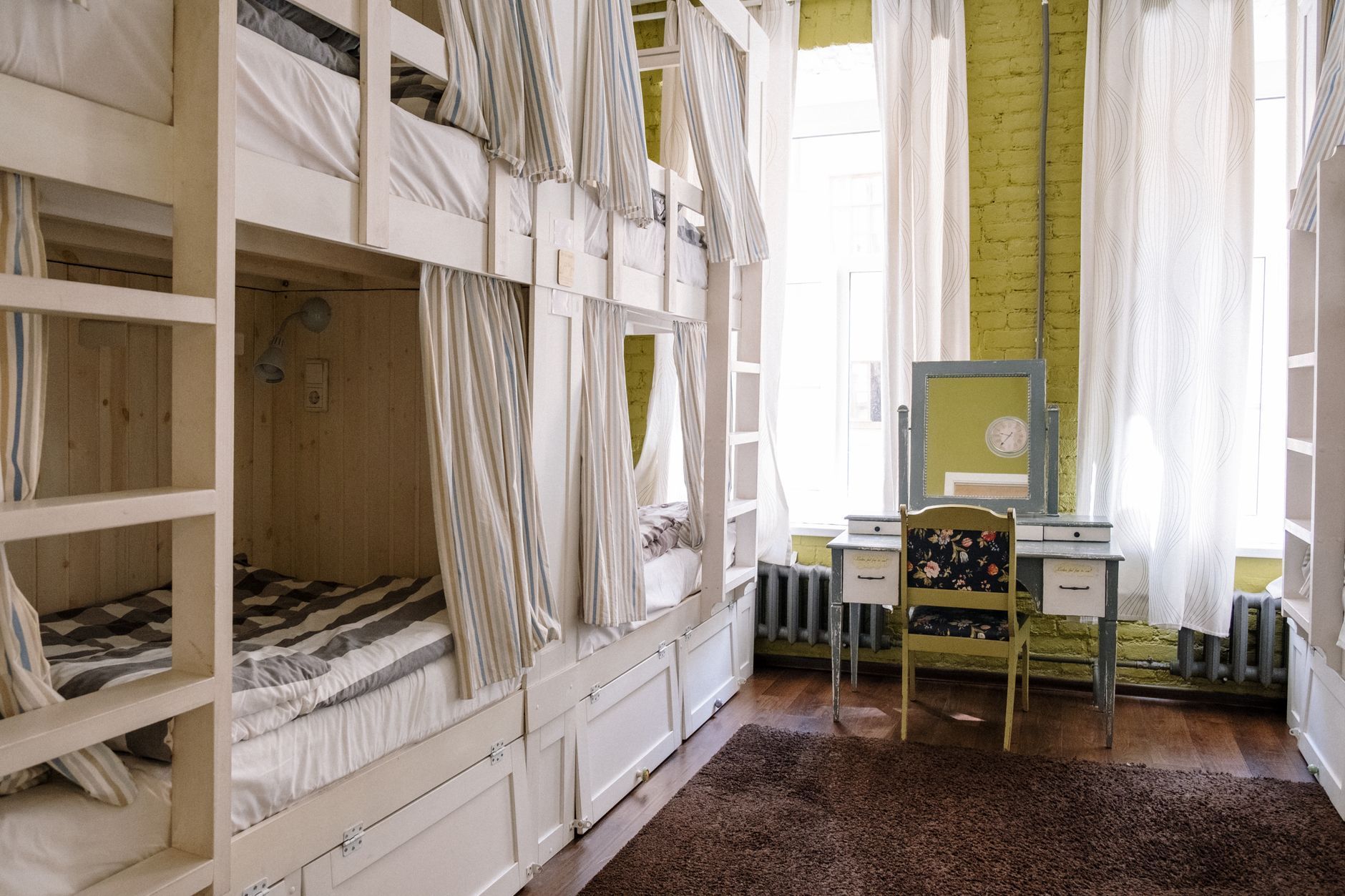
Australia has a reputation for being expensive, and there is some truth to it. Hostel beds, coach tickets, dive courses and supermarket shops all cost more than they do in South-East Asia or much of South America. What that actually means for your savings target depends far less on the country than on two things: how long you are staying, and whether you plan to work while you are here.
This guide sets out approximate weekly cost ranges in Australian dollars as of mid-2026, split into two very different situations: a short trip funded entirely by savings, and a longer working holiday where wages top up your budget along the way. Prices move constantly and vary by city, season and travel style, so treat every figure here as a planning starting point rather than a quote. It is general information for trip planning, not personalised financial advice.
Work out the shape of your trip first
Three things decide your number more than anything else. Length of stay comes first, because a fortnight of intensive sightseeing can cost more per week than three months of slow travel. Whether you will work comes second, since even part-time casual hours change the maths completely. Pace comes third. Backpackers who move every second night spend heavily on transport and tours, while someone who settles in one town for a month spends closer to what a local resident does. Sketch those three answers before you pick a savings figure.
Two very different budgeting problems
Short trips of two weeks to three months
If you are visiting for a few weeks or a couple of months without working, the whole trip runs on savings, so the honest method is weekly living costs multiplied by weeks, plus flights, plus a buffer. Short trips also skew expensive per week. You have limited time, so you are more likely to book the reef trip, the sailing tour and the internal flight rather than waiting for a cheaper option later. Building those big-ticket items into the total from the start avoids the classic mistake of budgeting only for beds and buses.
A useful sanity check is to price the fixed items first — return flights, any visa charge, travel insurance and the two or three experiences you would be genuinely disappointed to miss — and then treat everything else as a weekly living allowance. If that weekly allowance looks uncomfortably thin, it is usually better to shorten the trip or drop one internal flight than to stretch the same money across more weeks and spend the whole time saying no.
Longer stays and working holidays
A working holiday is a different exercise. You are not funding a year of travel from savings; you are funding an arrival period long enough to find work, get paid and settle into a routine. That period is the part people underestimate. A rental bond and upfront rent, several weeks of hostel or share-house costs, transport to interviews and trials, a phone plan and everyday living all land before your first pay does, and pay cycles are commonly fortnightly.
So plan your arrival fund around weeks of runway rather than one lump sum. Many backpackers aim to cover somewhere between four and eight weeks of modest living plus a reserve for a flight home, though the right figure depends on your city, your timing and how quickly you are willing to take any job rather than the right job. For application costs and visa conditions, read the working holiday visa guide, and confirm any current financial requirements directly with the Department of Home Affairs rather than relying on figures quoted online.
Approximate weekly costs as of mid-2026
The ranges below are wide on purpose. Sydney and Melbourne cost more than regional Queensland, peak season costs more than shoulder season, and two people sharing a room, a car and the cooking will each pay noticeably less than one person doing everything alone. Prices vary between operators and change often, so use these as categories to plan around and check current rates yourself before committing to a number.
Read the total row as a range you might land in, not a figure to aim for. Plenty of backpackers travel below the low end by camping, cooking every meal and staying put for weeks at a time. Plenty also spend well above the high end in a single week that happens to include a dive course and a domestic flight. The categories matter more than the totals, because they show you which decisions are actually moving your money.
Accommodation is the biggest lever you control
Accommodation is usually the largest line and the easiest to change. Dorm beds cost less in larger rooms and less again on weekly rates, which many hostels will discuss if you ask directly instead of booking night by night. Once you are staying somewhere for a month or more, share houses and room rentals normally work out cheaper per week, but they come with a bond, bills, a commitment and less freedom to move on. Camping cuts costs further on road trips, and work-for-accommodation arrangements exist, though those need care around work rights and conditions.
Food, groceries and eating out
Food is where small habits pay off fastest. Cooking most meals from supermarket ingredients costs a fraction of eating out, and hostels almost always have a kitchen. Store-brand staples, markets late in the day and splitting bulk items with the people you are travelling with all help. Eating out is not the enemy, but it is the category that quietly doubles a weekly spend, particularly in cities where two nights out can cost more than your bed for the week. Groceries also cost more in remote areas, so stock up before long drives inland or up the coast.
Moving around a very large country
Distances here are genuinely large, and transport budgets reflect that. Long-haul coaches and hop-on passes suit slow coastal travel, domestic flights save days when you are crossing the country, and buying or hiring a vehicle spreads costs across a group while adding fuel, insurance, servicing and eventual resale into the equation. Fares shift with demand and season, so compare options for your own dates instead of assuming one mode is always cheapest. For a sense of how far apart the classic stops are, read the East Coast backpacking guide before locking in a route.
Tours, activities and the fun budget
Activities are the most elastic part of any budget. Diving, sailing, skydiving, four-wheel-drive trips and multi-day tours are the reason many people come, and they can also absorb a fortnight of budget in two days. A workable approach is to pick the two or three experiences you actually care about, book those properly, then fill the rest of your time with beaches, national parks, coastal walks, markets and camping trips that cost little beyond transport. Operator prices vary by season, so check current rates directly. For cheaper ideas, browse these camping and hiking trips.
Upfront costs before you land
Several one-off costs deserve their own line before you leave. Flights are the big one, followed by travel insurance, any visa application charge, gear you still need to buy and the first few nights of accommodation. Some visa conditions also involve having access to sufficient funds, and those requirements change, so verify anything of that kind with official Home Affairs guidance rather than a figure quoted in an article, including this one. Timing matters too, because arriving in peak season means paying peak prices during your most expensive weeks. Weigh that against the best time to visit Australia as a backpacker for the regions you have in mind.
Setup costs after arrival are smaller but easy to forget. A local SIM or phone plan, a transport card, a bank account, a tax file number and possibly work clothing or safety gear all appear in your first fortnight. Most are cheap or free, yet they arrive at the same time as your accommodation bond and before your first pay. Working through an arrival checklist in week one keeps admin from turning into unplanned spending.
Keep a buffer you refuse to spend
Whatever total you land on, keep a separate reserve you treat as untouchable. A sensible buffer covers a flight home, a fortnight of accommodation and food, and a vehicle or medical surprise that insurance does not fully cover. Breakdowns, a slow job market, an injury or a sudden change of plans are all normal parts of long trips, and the buffer is what turns them into an inconvenience rather than an emergency. Keeping it in a separate account, away from the card you use daily, makes it far less likely to quietly become spending money.
Earning while you travel
For anyone on a working holiday, income is the other half of the equation. Hospitality, retail, farm work, warehouse shifts, cleaning, construction and skilled casual roles are all common, and pay varies by industry, location and award coverage, so check current rates with the Fair Work Ombudsman rather than trusting hostel gossip. Hours are often inconsistent early on, especially in seasonal towns where arrival timing decides everything, so plan your first month as though income will be slower than you hope. Start with the guide to finding backpacker jobs in Australia.
Two pieces of admin make a real difference to what you keep. Sorting a tax file number early helps avoid being taxed more heavily than necessary, and opening an Australian bank account means employers can pay you without international transfer costs eating into your wages. Tax, superannuation and fee rules change, so use official ATO information for anything tax-related. If a second-year visa is part of the plan, the specified regional work rules are strict; the 88 days farm work guide explains the concept, but eligibility and evidence must be confirmed with Home Affairs.
Common questions about backpacking Australia on a budget
How much money do you need for a month of backpacking Australia? There is no single correct figure. Applying the approximate mid-2026 ranges above, a month of hostel-based travel without working could land somewhere between roughly $2,500 and $5,000 for one person, before flights and major tours. Slow, self-catering travel sits near the bottom of that; a month of moving quickly with several paid activities sits well above it.
How much should I have saved before starting a working holiday? Think in weeks of runway rather than a number you read online: enough for several weeks of modest living plus a reserve for a flight home. Remember that bond, upfront rent, transport and a phone plan all land before your first pay. Visa-related funds expectations change over time, so confirm current requirements with the Department of Home Affairs.
Is Australia more expensive than other backpacking destinations? For accommodation, alcohol, tours and long-distance transport, generally yes, and the distances add cost of their own. Casual wages are also comparatively high, which is why a working holiday can balance out over a year in a way a short holiday funded purely by savings cannot.
Can you backpack Australia cheaply? Yes, with trade-offs. Camping, cooking, weekly accommodation rates, sharing vehicles and choosing free outdoor days over paid tours all cut costs substantially. The catch is that cheap travel is usually slower travel, so give yourself time rather than attempting a fast itinerary on a small budget.
How much cash should I carry when I arrive? Most backpackers manage with a small amount of cash for the first day or two and cards for everything else, since card payments are widely accepted. Carry a backup card stored separately from your main one, and check your own bank's foreign transaction and withdrawal fees before you travel.