Learn to surf in Australia: spots and costs
Australia is one of the easiest places in the world to try surfing for the first time. This guide compares single lessons, multi-lesson packages, surf camps and board hire, runs through the regions where beginner lessons are easy to find, and covers the beach-safety basics that matter far more than your gear.
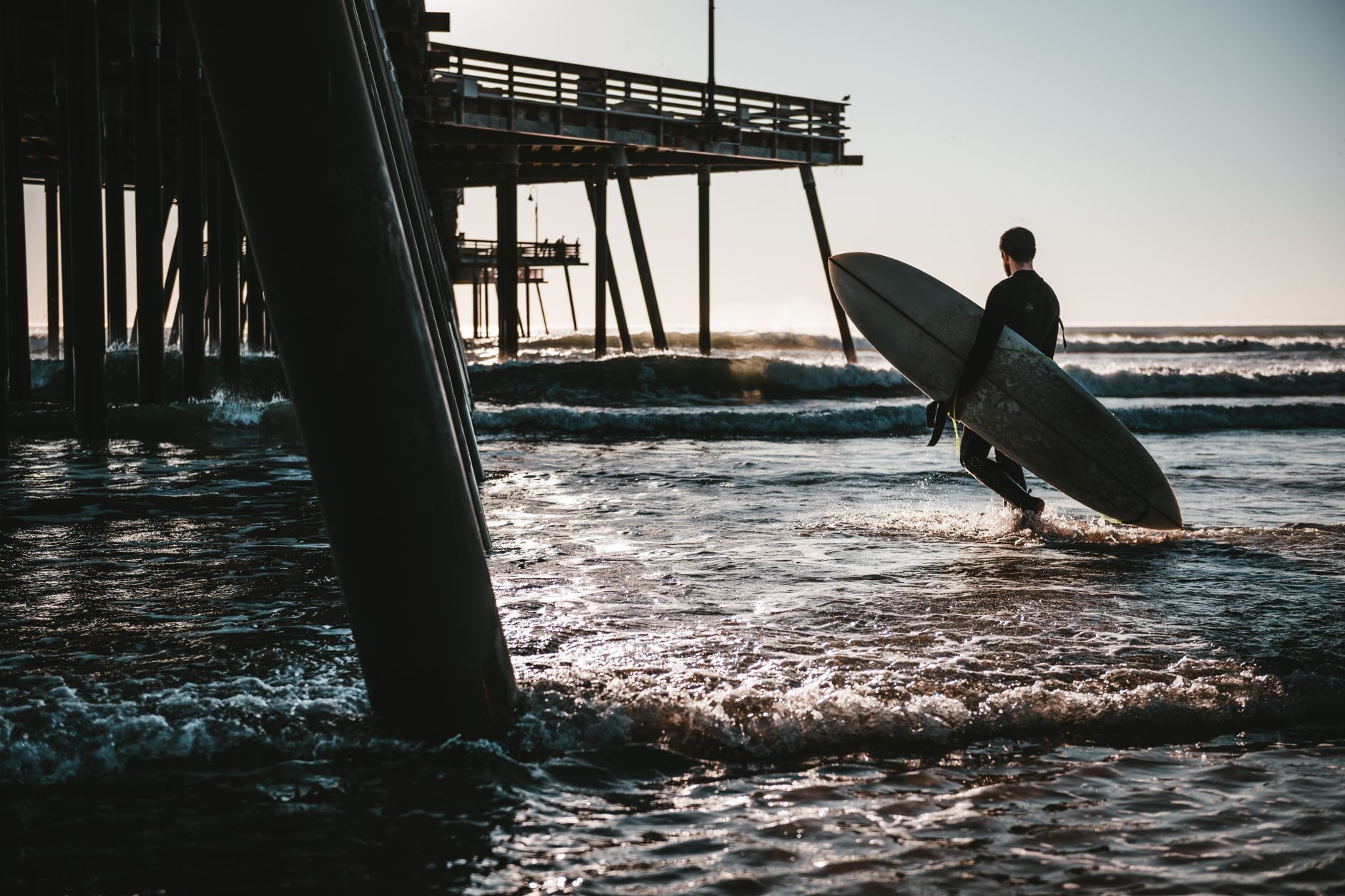
Australia is one of the easiest places in the world to try surfing for the first time, and most backpackers get their first stand-up in a group lesson rather than on their own. Long stretches of coast break over sand rather than reef, surf schools operate in most sizeable coastal towns, and the whole thing is set up for people who have never touched a board. You do not need to be fit or brave — you need a suitable day, soft equipment and someone experienced watching the water.
What this guide will not do is rank surf schools or promise that a particular beach will suit you on the day you turn up. Conditions change daily with swell, wind and tide, and a beach that looks gentle at breakfast can be unsuitable by lunchtime. Instead it covers how to choose your first surf experience, which regions commonly suit first-timers, what a lesson includes, and the safety habits that matter more than your gear.
How to choose your first surf experience
Start with two questions: how much are you willing to spend on something you might only do once, and how long are you staying in one place? A single group lesson is the cheapest way to find out whether you enjoy surfing, and it fits a two-night stop. If you are somewhere for a week or more, a package buys enough repetition to make progress rather than one exhausting afternoon of paddling. One lesson tells you whether you like it; three or four start teaching you to surf.
Then think about what you want from it. Group lessons are cheaper and more social, and they serve most beginners well. Private or two-to-one lessons cost more but get you far more feedback, which suits nervous swimmers. Multi-day camps bundle accommodation, transport and repeated water time for people who want surfing to be the point of the trip. Water temperature is the last variable: northern beaches are comfortable much of the year, while southern coasts need a proper wetsuit for most of it.
What a first lesson usually includes
Most beginner lessons follow a similar shape. You get a soft-top foam board — wide, thick and far kinder to fall onto than a hard board — plus a wetsuit in cool water or a rashie where it is warm. A good chunk of the lesson happens on the sand: how to lie on the board, where to put your hands, how to pop up, and how to fall away from the board rather than onto it.
The briefing should also cover the water in front of you: where the group should stay, what the flags mean that day, how to recognise a rip current, and what to do if you get tired or drift. Inclusions vary — some schools provide sunscreen, water or photos, many do not — so confirm what you are paying for. A school that talks openly about conditions and its cancellation policy is usually one taking beginners seriously.
Surf bases that commonly suit first-timers
The regions below are options rather than a ranking, and none is reliably gentle every day. What they share is sandy-bottomed beaches, established surf schools and enough nearby spots that a school can move or postpone a lesson when the surf is wrong. Choose on the basis of where your route already goes and how long you can stay put. If you plan to settle in one town for a while, the backpacker accommodation guide helps with where to stay while you learn.
Sydney
Sydney is the simplest place to try surfing without rearranging your trip: the beaches are on public transport and you can be back in the city by afternoon. Bondi, Manly and Maroubra all have schools running beginner lessons, and all have areas patrolled during the patrol season. Patrol hours, flag positions and conditions change through the day and the year, so check the flags and take the lifesavers' advice on where to be. The things to do in Sydney page covers what fits around a lesson.
Byron Bay
Byron Bay has long, mellow beach breaks in the right swell and a surf-school culture that has been teaching travellers for decades. The trade-off is popularity: line-ups and lessons both get busy in peak season, and crowded water is harder to learn in. Ask your school which beach it is using that day and why, keep to the flagged area on patrolled beaches, and give other surfers room while you are still learning to control the board.
The Gold Coast
The Gold Coast is a long run of beach breaks with plenty of schools, warm water for much of the year and enough choice that somewhere is often workable when one stretch is messy. Sandbanks shift constantly here, so the spot that suited beginners last month may not be the one your school picks today — that is normal, and it is why you ask. Stay between the red and yellow flags where beaches are patrolled.
Noosa and the Sunshine Coast
Noosa and the Sunshine Coast combine protected points that can be slow and forgiving in the right swell with open beaches nearby, so schools have options in different conditions. The famous points draw longboarders and crowds when they are working, which is not where you want to be on a foamie, and beginner lessons usually run elsewhere for good reason. The water is warm much of the year, but warmth says nothing about whether the surf suits you that morning.
Torquay and the Victorian surf coast
Torquay sits at the start of Victoria's surf coast and is the historic heart of Australian surfing, a short drive from Bells Beach. It is a fine place to soak up surf culture, but it is cold water: thicker wetsuits, cooler air and Southern Ocean swell that can be powerful even when it looks tidy from the car park. Bells is not a learner's wave, and schools use gentler nearby beaches when conditions allow. Learning here is far more realistic in the warmer months.
Perth and Western Australia
Perth has a run of city beaches — Scarborough, Trigg and Leighton among them — that are easy to reach and warm enough in summer for long sessions. The local variable is wind: a strong afternoon sea breeze is a fixture of the Perth summer, so mornings are usually cleaner and lessons are often scheduled early. Conditions vary between these beaches on the same day, so follow what the school or the lifesavers recommend rather than picking a beach off a map.
What makes a beach worth learning on
In general terms, a beach that suits beginners on a given day has a sandy bottom rather than reef or rock, waves breaking gently over a wide area instead of dumping in one spot, lifesaver or lifeguard patrol while you are there, and a school willing to relocate or cancel when the surf is wrong. None of that makes any beach permanently suitable. Sandbanks move, swell builds overnight, rips form and shift within hours, and a spot that was ideal last week can be dangerous today. Treat every session as a fresh assessment, and if you are unsure, check the beach on Surf Life Saving Australia's Beachsafe site or ask the lifesavers.
Surf safety comes before everything else
Swim and surf between the red and yellow flags on a patrolled beach whenever you can. Those flags mark the area lifesavers are actively watching, and it moves during the day as conditions change. Patrol seasons and hours differ between states, patrols are often limited to summer and holidays, and many Australian beaches are not patrolled at all — never assume someone is watching you. Beachsafe lists hazards and patrol details beach by beach, so check it before you travel to unfamiliar coast.
Learn what a rip current looks like before you need to. Rips often show as a darker, deeper channel of comparatively calm water running seawards between areas of breaking waves, sometimes carrying foam, sand or debris out with them. They are the biggest hazard for inexperienced people in Australian surf. If you are caught in one, do not swim straight back against it. Stay calm, hold onto your board because it floats and makes you visible, raise one arm to signal for help, and either float until the rip releases you or move across it towards the breaking waves. Ask your instructor to point out rips every day, because they are not fixed features.
The rest is unglamorous and still matters. The Australian sun is strong and you will be facing it for hours with water reflecting up at you, so use sunscreen, keep a rashie or wetsuit on, cover up between sessions and follow current Cancer Council guidance. Always wear your leash. A board is heavy and hard: keep clear of other surfers, never abandon it when a wave hits, and do not paddle into a crowded line-up on your first day. If you are getting tired, come in early.
Seasons, water temperature and wetsuits
Water temperature shapes a lot of the beginner experience, and it varies by region, season and year rather than following a neat rule. Broadly, tropical north Queensland and much of the Queensland and northern New South Wales coast are comfortable for a good part of the year, and a rashie is often enough in the warmer months. Further south — Sydney in winter, Victoria, Tasmania and southern Western Australia — a full wetsuit is normal for most of the year. Schools supply wetsuits suited to their conditions, so ask what is included rather than buying anything first.
Winter surfing in the south is properly cold rather than mildly chilly, and swell is often larger at the same time, which is a poor combination for a first lesson. Below Sydney, the warmer months and shoulder seasons are more realistic, and even then some days will be unsuitable. Up north the limiting factors are more likely to be wet-season weather and marine conditions than temperature. For how weather and crowds shape your route, the best time to visit Australia guide is worth reading alongside this one.
What it costs, and how to keep going afterwards
In general terms, a single group lesson is the cheapest way to try surfing, a package brings the cost per session down, and a multi-day camp costs considerably more because you are also paying for beds, transport and days of coaching. Board hire is cheaper again, but it assumes you can already look after yourself in the water. Rates move around by town, season, group size and operator, so treat any figure you read online as out of date and confirm the current price when you book.
If it clicks, the cheap way to keep going is hiring boards where you stay, buying a second-hand soft-top and reselling it before you fly out, and choosing stops where lessons and hire boards are easy to find. Hostel noticeboards, buy-and-sell groups and surf shops all turn over used boards. To map a route linking a few surf towns, start with the East Coast guide.