Phillip Island penguin tours from Melbourne
The Penguin Parade at Summerland Beach follows sunset, so the whole day has to be planned around a time that shifts through the year. This guide compares organised day tours with self-driving, explains the viewing options in general terms, and covers what else is worth doing on Phillip Island before the light goes.
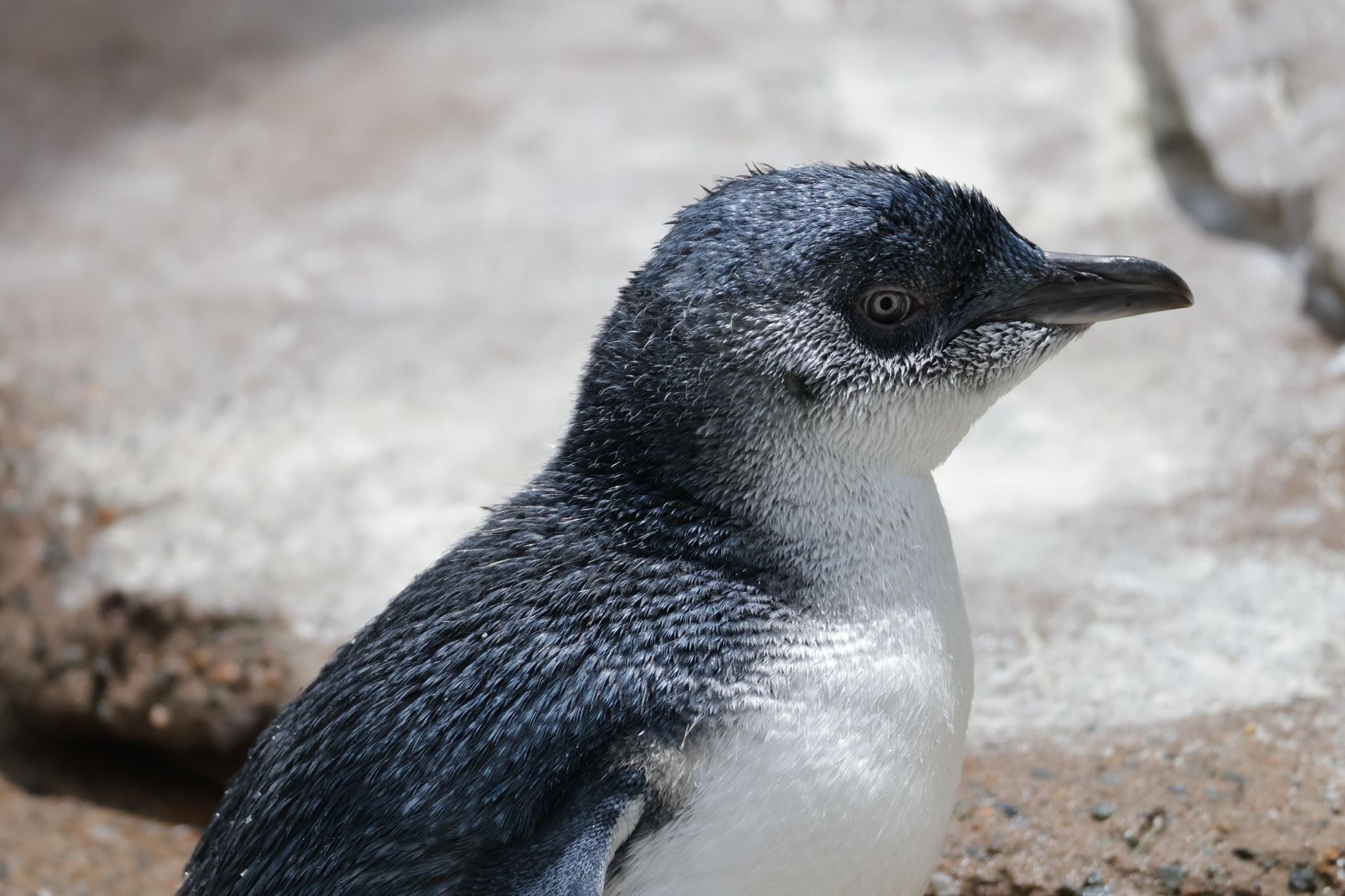
The Penguin Parade at Summerland Beach is the reason most backpackers make the trip to Phillip Island. After sunset, little penguins come ashore in small groups and cross the sand to their burrows in the dunes. It is a nightly event rather than a staged performance: the beach is managed by Phillip Island Nature Parks as a conservation and research site, the viewing areas are boardwalks and stands set back from the sand, and the penguins arrive on their own schedule. Nobody can promise you a particular number of birds on any given night.
The hard part is not the penguins. It is the logistics. Phillip Island sits south-east of Melbourne, the parade happens at dusk, and dusk moves through the year, so the whole day has to be built backwards from a start time that changes with the season. Check the current time for your date on the official Phillip Island Nature Parks site rather than relying on anything second-hand. Add a cold, exposed beach and a long trip home in the dark, and this needs more planning than a standard day out.
How to choose your Phillip Island trip
The first question is whether anyone in your group can legally drive in Victoria and actually wants to. If the answer is no, an organised day tour from Melbourne is usually the practical choice, because it removes the two hardest parts of the trip: getting to the island and getting back to the city late at night. If you do have access to a car, self-driving gives you control over when you arrive, how long you spend at other stops and whether you stay on afterwards.
The second question is what you want from the day beyond the penguins. A tour that leaves Melbourne in the afternoon will get you to the parade and little else. An earlier departure, or a self-drive day, leaves time for the boardwalks at the Nobbies, a koala reserve visit or a heritage farm before the light goes. In winter, when dusk arrives early, the window for those extra stops is much shorter than it looks on a map.
The third question is timing across the year. Winter parades happen earlier in the evening, which makes the return trip easier, but the beach is cold and the wind comes straight off Bass Strait. Summer parades run late, so you are back in the city well after the evening has wound down. If you are still working out when to travel at all, the seasonal trade-offs of visiting Australia are worth reading first, and the Melbourne destination guide covers the rest of your time in the city.
What the Penguin Parade is actually like
You arrive before dark, go through entry, and walk out along boardwalks towards the beach. The viewing areas sit back from the sand and above it, so you are looking down at the beach rather than standing on it. Once the light goes, penguins gather in small rafts offshore and cross the open sand together, which is safer for them than coming ashore alone. From there they head into the dunes, and the boardwalk walk back to the centre is often where people see them closest.
There is a general admission option with boardwalk and tiered seating facing the beach, plus a range of other viewing experiences that place smaller groups in different positions, with a guide or in more sheltered areas. Nature Parks changes the names, capacities and inclusions of these from time to time, so treat any tier list you read on a forum as out of date and check the official site when you book. General admission is enough for most backpackers — upgrades mainly buy a smaller crowd or a different angle, not more penguins.
Photography is restricted at the viewing areas, and the restrictions have been strict. The concern is that camera light, and phone screens in the dark, disturb penguins during a vulnerable part of their day. What is and is not allowed has changed over time, so check the current photography and mobile phone rules on the Phillip Island Nature Parks site before you travel, and follow whatever the rangers ask on the night. Do not assume a rule someone described in an old post still applies.
Timing: the parade follows sunset
The parade is not scheduled for the convenience of visitors. The penguins come ashore after dark, so the start moves with sunset across the year and sits at a very different point in the evening in midwinter than in midsummer. Nature Parks publishes the current time for each date, and that is the only source worth trusting. Book for the right date, then check the time again shortly before you travel, because your drive, your last stop before dusk and your trip home all hang off it.
Allow considerably more time than the parade itself. There is entry to get through, a walk out to the viewing area, and a crowd doing the same thing at once. Afterwards, people linger on the boardwalks, the car park empties slowly, and the return to Melbourne is in the dark. However you do it, plan on a late finish and avoid booking yourself into an early shift, an early tour or a morning bus the next day.
Getting there without a car
Phillip Island is not a straightforward public transport day trip. Services from Melbourne towards the island exist, but the combination of train, coach and local connections is slow, and timetables are not built around an event that finishes after dark. The realistic risk is not that you cannot get there — it is that you cannot get back. For an overview of how buses, trains and car hire work around Australia, start there — but for this particular trip, an organised tour is usually the answer.
Tours solve the return leg, which is the whole problem. They also mean nobody in your group has to drive both directions and then face a dark rural road home. The trade-off is that you are on someone else's schedule, and time at any extra stop is set by the itinerary.
Self-driving from Melbourne
Driving gives you the most control. The route heads south-east out of the city and crosses the bridge at San Remo onto the island, and it is a couple of hours behind the wheel in reasonable conditions — longer on a Friday afternoon or a holiday weekend. Split between three or four people, a hire car can compare well with individual tour seats, though hire terms, minimum driver ages and insurance excesses vary by company.
Two things catch self-drivers out. The first is wildlife: dusk is exactly when animals move, and roads on and around the island have wallabies and other wildlife near the verges, so slow down and use high beam where it is safe to do so. The second is fatigue. You will be driving home late, in the dark, after standing still in the cold. If your group has more than one licensed driver, agree before you leave who takes which leg.
What else to do on the island before dusk
The Nobbies and Point Grant, at the western tip of the island, are boardwalks over exposed clifftop coast looking out to the offshore rocks and a seal colony further out to sea. It is windy almost always and genuinely dramatic in bad weather. Access arrangements and opening times for the centre there change seasonally, so check before you build your afternoon around it.
The Koala Conservation Reserve puts you on elevated boardwalks at treetop height, which is a far better chance of seeing a koala than scanning eucalypts from a car park. Sightings are still not guaranteed — koalas sleep for most of the day and move where they like. Opening arrangements, and whether the reserve is covered by a combined pass, vary, so confirm rather than assume.
Churchill Island is a small heritage farm reached by a causeway, with working farm demonstrations, historic buildings and easy walking tracks around the shoreline. It is a gentler, quieter stop than the coastal sites and works well if the weather has turned. Like the other Nature Parks sites, its opening arrangements and inclusion in passes change over time.
For a proper walk, Cape Woolamai has a coastal track network out to the pinnacles and the island's highest point, with big surf below. The island's surf beaches are exposed and conditions can be dangerous, so swim only at patrolled beaches between the flags and treat unpatrolled stretches as somewhere to walk, not swim.
Nature Parks has at various times offered combined-entry passes covering the parade alongside other sites. Whether one exists when you visit, and what it covers, changes — work it out on the official site at the time rather than relying on an old blog post.
Respecting the penguins
The parade works because the site is managed tightly. Stay on the boardwalks and behind the barriers, keep your voice down, do not use torches or camera lights, never feed or touch a penguin, and give way to any bird crossing near the path — they have right of way and they are heading home. Rangers are there to protect the colony, not to run a show, and their instructions are not negotiable.
It also means no guarantees. Numbers vary night to night with weather, sea conditions and feeding patterns, and anyone who tells you how many penguins you will see is guessing. Some nights are busy and some are quiet, so do not treat a quiet night as a failed trip.
Dress for a cold beach, not a Melbourne evening
This is the most common mistake backpackers make here. The viewing areas are open to the wind off Bass Strait, you will be sitting or standing still in the dark, and it is colder there than it was when you left the city. Even in summer, evenings on that coast can be genuinely cold, and in winter it is miserable if you have underdressed. Warm layers, a windproof and waterproof jacket, long trousers, closed shoes and something for your head and hands make the difference between enjoying it and counting the minutes.
How it compares with the other big Melbourne day trip
If you only have room for one long day trip out of Melbourne, the other obvious candidate is the coast. Our guide to Great Ocean Road tours from Melbourne covers that decision. It is a far longer day on the road, with cliffs, rainforest and the Twelve Apostles instead of wildlife at dusk. Phillip Island is shorter but finishes late; the Great Ocean Road starts early and takes the whole day. Both are easier to enjoy when you are not changing hostels the next morning. For ideas closer to the city, browse things to do in Melbourne.