Rottnest Island day trip for backpackers: ferry, bikes and budget
A practical Rottnest Island day trip planner for backpackers without a car. Compare terminals, independent travel, bikes, buses, tours, beach stops, costs and respectful wildlife behaviour.
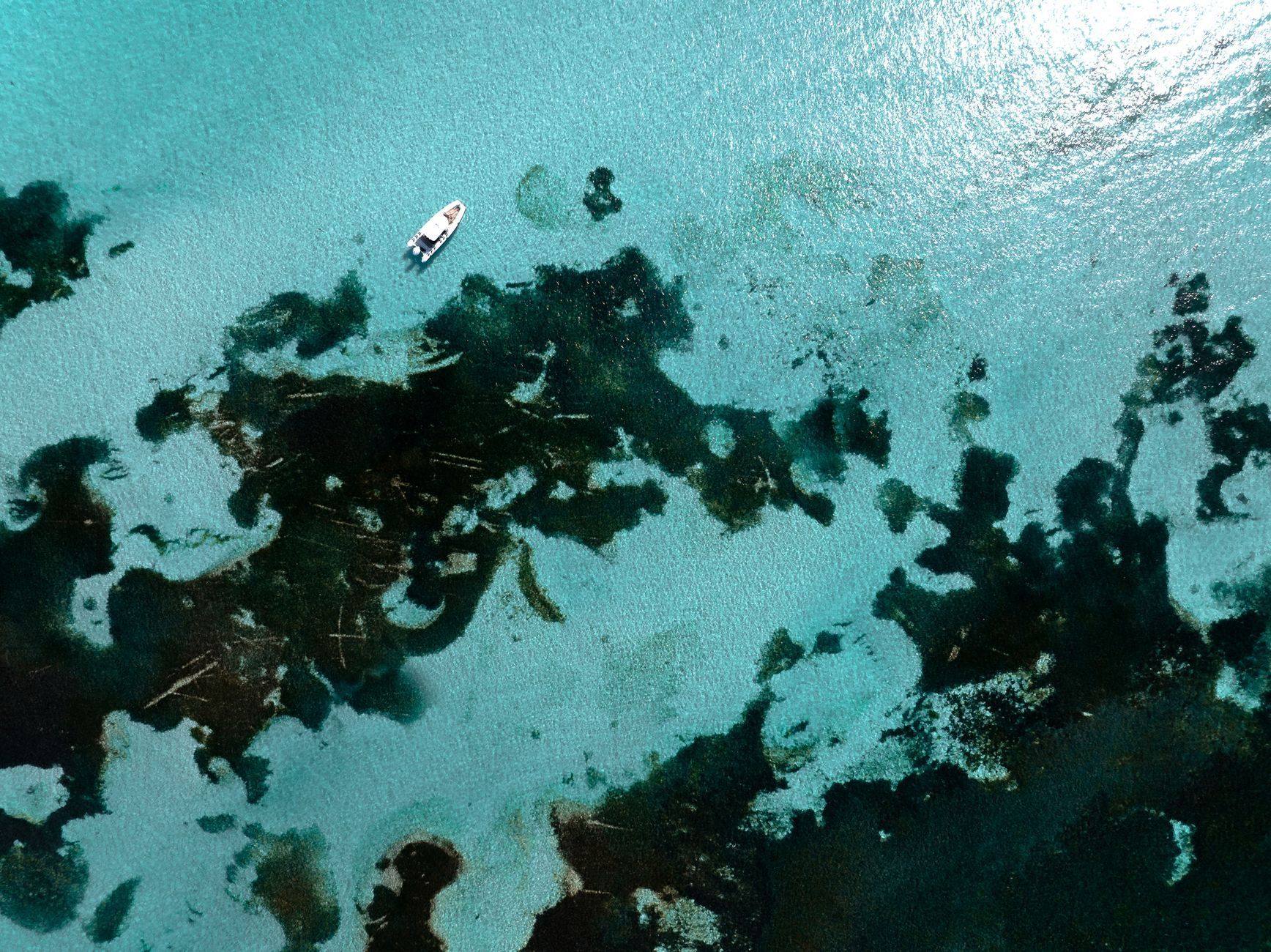
A Rottnest Island day trip can be a highlight of a stay in Western Australia: a beach stop, a bike ride and time to watch the island’s wildlife. For backpackers, the planning challenge is fitting those things around a ferry booking without letting transport and hire costs take over the budget. This guide is for travellers based in Perth or Fremantle who want to visit without a car and return the same day.
Start with the fixed facts: visitors cannot take a private car to Rottnest Island, and ferries depart from Perth City, North Fremantle (Rous Head), Fremantle (Victoria Quay) and Hillarys. Those terminals are not interchangeable, especially the two Fremantle-area options. Check the official getting-here page before booking, then compare live operator details rather than relying on old fares or journey times.
How to choose the right Rottnest day trip option
There are three choices to make before anything else: which mainland terminal you leave from, whether you go independently or book an organised tour, and how you will move around once you arrive. A tour can reduce admin, while independent travel gives you more freedom over pace and stops. Neither is automatically cheaper or better, so compare what is actually included.
If you are staying in Perth, compare the door-to-door effort of reaching each terminal rather than just the ferry headline price. If you are staying in Fremantle, read the terminal name carefully: North Fremantle (Rous Head) and Fremantle (Victoria Quay) are different places. The cheapest-looking ticket can become stressful if the transfer is awkward or the departure location is wrong.
What to book, check and pack before you go
Treat your booked return ferry as the anchor for the whole day. Work backwards from it when planning a ride, bus loop, swim stop, lunch and hire-gear return. Weather also changes the feel of the day, so use live forecasts and broader seasonal planning for Australia before locking in a date.
Carry enough water for your route, sun protection, shoes you can comfortably walk or ride in, and a layer for wind. If swimming is part of the plan, bring a towel and somewhere to put wet gear on the ferry home. Check the island’s practical tips and current alerts before leaving: roadworks, facility closures and weather can change which plan makes sense. Our Australia packing guide is useful for the rest of your trip.
Compare common Rottnest day trip options
Use this table to compare the full day, not just one ticket. The right option depends on your budget, fitness, confidence with planning and how much flexibility you want once you are on the island.
For cycling, bike hire and bringing a bike by ferry are both possible options, with helmets required and included with hired equipment. Check availability and freight terms before relying on this plan. Read the official by-bike guidance. For buses and guided transport, check current service and ticket details directly; do not assume a mainland public transport pass applies on the island. See the official by-bus page.
The practical takeaway is simple: choose one main activity and one or two nearby stops. A modest day usually feels better than a packed route that depends on perfect weather, perfect fitness and perfect timing.
Which option suits different backpackers
If you are staying in Perth
Perth-based backpackers should compare terminal access before comparing island activities. A departure that looks more expensive may still be easier once you add the transfer from your hostel, the risk of early connections and how tired you will be on the way back.
If you are staying in Fremantle
Fremantle is a convenient base for many travellers, but terminal precision matters. Confirm whether your ticket says North Fremantle (Rous Head) or Fremantle (Victoria Quay), then plan the morning route to that exact place.
If you want to cycle
Cycling gives the most independence, but ride only as far as the least confident person in your group is comfortable. Build in heat, wind, hills, photo stops, water breaks and the need to return hire gear. A simple out-and-back ride to a couple of stops can be much better than chasing a full loop.
If you prefer not to ride
Bus or guided options can make the island feel easier for non-cyclists, but they are not completely hands-off. You still need current service details, ticket rules and a plan that accounts for waiting time. A tour may suit you if you prefer one bundled booking and less decision-making on the day.
A relaxed first-visit plan
Think in phases rather than a strict schedule. On arrival, orientate yourself around the settlement, confirm where you need to return any hire gear, refill water, check conditions and make a final call on your main activity. This short pause can save a lot of confusion later.
For a relaxed first visit, choose the settlement and a nearby beach as your core plan. A confident cycling group can instead make one bay the main outing, while non-cyclists can plan around the island bus. Leave time to actually stop: changing for a swim, finding lunch and sitting with a view are part of the day. Later, head back towards the settlement, return hire gear and reach the ferry check-in by the deadline on your ticket. A scheduled departure time is not the same as the time you should arrive at the jetty.
Optional beach stops without overdoing it
The Basin is a popular swimming and snorkelling stop, but only add it if conditions and your ability genuinely suit. No Rottnest beach should be treated as always calm, patrolled or right for every swimmer. Check The Basin page for official location information before you go.
Little Salmon Bay is on the southern side of the island, so treat it as a separate cycling or bus stop rather than a quick walk from the main jetty. Use the official Little Salmon Bay page to understand where it sits before adding it to your route.
Treat beach stops as optional add-ons, not obligations. If wind, swell, visibility or confidence are not right, change the plan. A shaded break, short coastal walk, viewpoint or relaxed settlement wander is still a good Rottnest day.
Costs, traps and trade-offs
Budget for your return ferry, travel to and from the mainland terminal, your chosen island transport, food and any equipment hire. Ferry operators collect the island admission fee on behalf of the Rottnest Island Authority. Check the full booking total and its breakdown: do not add admission a second time if it is already included. The official ferry information explains the fee. Compare a walking day, a bike day and a bus day using the same travel date; these are alternatives, so there is no need to budget for every transport option at once.
Bringing lunch and a refillable water bottle gives you more control over spending. Keep a separate allowance for a snack or an unexpected mainland transfer, and avoid using all your remaining travel money on the outward booking. Compare a package against the equivalent independent day: does it include return ferries, admission, bike hire or a bus ticket, and anything you actually wanted to buy? An extra you will not use is not a saving. If an early departure would make your morning awkward, weigh a night in Fremantle against staying where you are; our accommodation guide explains the wider trade-offs between short-stay options.
Wildlife, Wadjemup history and respectful travel
Quokkas are wild animals, so give them space and let encounters happen without chasing or cornering them. Do not touch, feed or handle wildlife, including for a photo. Keep food and rubbish contained, and watch for animals when cycling. A sighting is never guaranteed. Read the official wildlife protection guidance before visiting, and put the animal’s comfort ahead of a close-up.
Wadjemup is a place of cultural significance to Whadjuk Noongar people. The island’s history also includes the imprisonment of Aboriginal people; Aboriginal men and boys died in custody and were buried here. Take time to learn about this part of the island rather than treating the visit only as a beach outing. Respect signs and guidance at cultural sites and the burial ground. The official Aboriginal culture page and the Rottnest Island Authority’s history account provide context for a more thoughtful visit.
Common mistakes to avoid
The big mistakes are booking from the wrong terminal, assuming both Fremantle terminals are the same, planning a full island circuit without considering fitness and weather, cutting the return ferry buffer too fine, assuming the island has no vehicles, relying on old service information, and swimming or snorkelling because it was on the plan rather than because conditions are suitable.