Whale watching in Australia: when and where
Approximate whale-watching seasons region by region across Australia, from Sydney's headlands to the Ningaloo coast, with free land-based viewing compared against paid boat trips. Sightings are never guaranteed and there is no single national season.
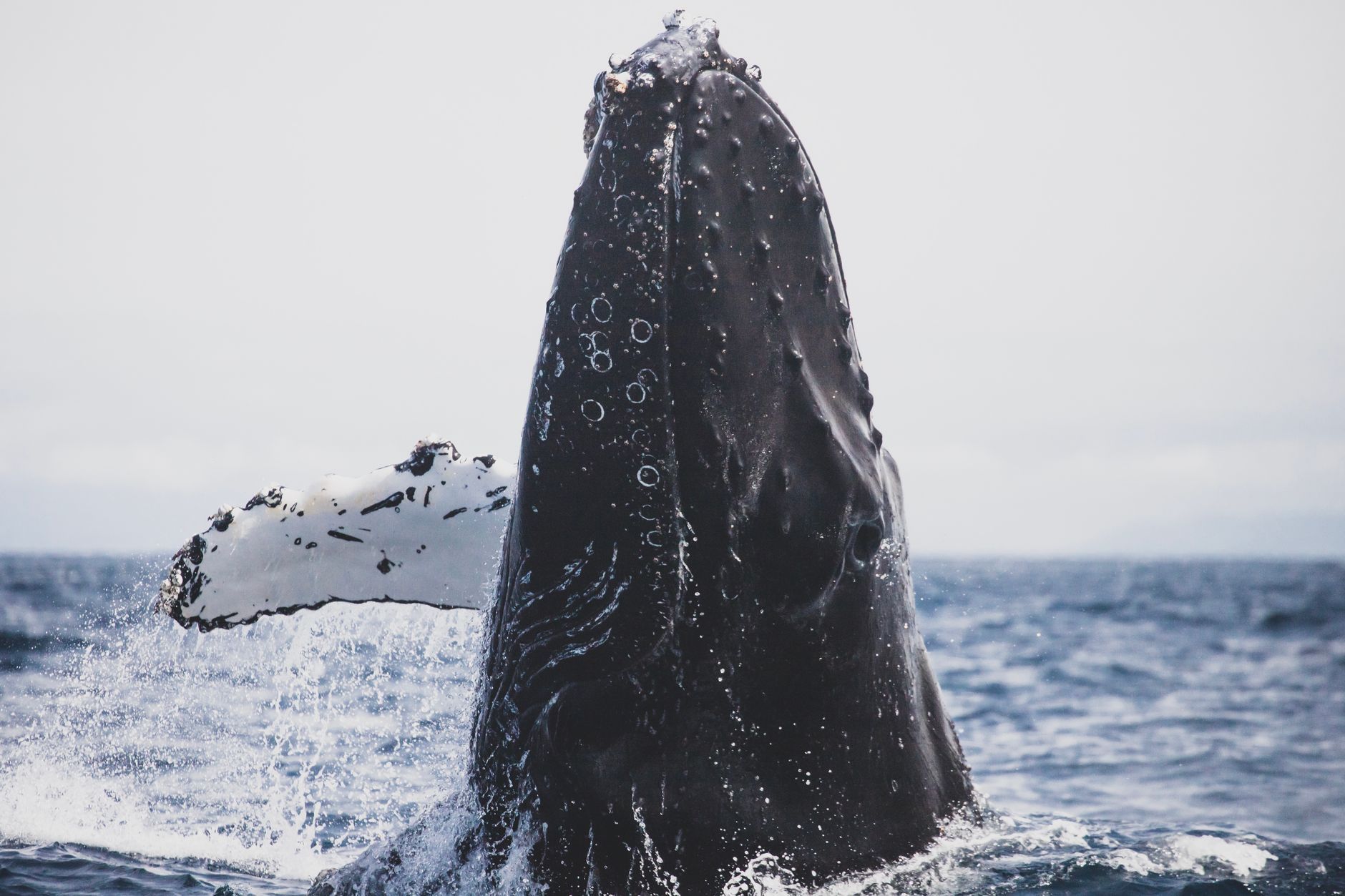
Whale watching is one of the few genuinely spectacular things you can do in Australia without paying for it. Through the cooler months, humpback and southern right whales move along stretches of coast that sit right beside headlands, clifftop lookouts and national park walks you can reach on foot or by local bus. Get the timing roughly right and a free morning on a headland can be the highlight of your week.
This guide sets out approximate seasons region by region, where land-based viewing works, and what you gain and give up by paying for a boat trip. Treat it as general information: whale movements shift with the year, the region and the species, so every month range here is typical rather than fixed. No location, operator or season guarantees a sighting, and no prices, departure times or operators are listed — confirm current local information before planning around any of it.
How Australia's whale migration works
The broad pattern is easy enough to plan around. Humpbacks feed in cold southern waters through the warmer part of the year, then travel north along both the east and west coasts during the cooler months to breed in warmer water, before turning around and heading south again. Most stretches of coast therefore get two rough windows rather than one, and the route often passes close enough to shore to watch from land.
The southern leg is usually the better one. Whales heading south tend to travel more slowly, hug the coast more closely and are often accompanied by calves, which means more surface activity and more time in view. Northbound animals move with more purpose and can pass further out. Neither pattern is reliable enough to build a trip around, but given a choice, the later part of a region's season is worth favouring.
Humpbacks are not the only species involved. Southern right whales come into sheltered southern bays to calve, sometimes close enough to shore to make parts of Victoria and South Australia the best land-based watching in the country. Off Western Australia the mix is wider: humpbacks in numbers, southern rights along the south coast, and blue whales in some offshore areas at certain times.
Approximate whale-watching seasons by region
There is no single national whale season, and any source giving one set of months for the whole country is generalising badly. The table below sets out approximate, typical patterns by region so you can narrow down when your stretch of coast is worth watching. These windows move by weeks between years, so confirm with state park services, visitor centres or recent local reports before committing to dates.
New South Wales: Sydney's headlands and the far north coast
New South Wales is the easiest place in the country to see whales for free, and Sydney is the clearest case. The city's ocean-facing headlands and national park lookouts sit directly beside the migration route, and several are reachable on public transport. If you are planning what else to do around a whale morning, the Sydney destination pages and the things to do in Sydney list cover the rest of the city.
The trick in Sydney is to combine whale watching with a coastal walk rather than treating it as a separate outing. Clifftop tracks give you height, a wide arc of open water and several vantage points across a couple of hours, which is exactly what improves your odds. Our guide to the best walks in Sydney covers the routes; in season, the ocean-facing ones double as whale lookouts.
Further north, Byron Bay is the best-known land-based spot on the coast. Cape Byron is the most easterly point of mainland Australia, which pushes the lookout out towards the migration route rather than back from it, and the walk up to the lighthouse is free. It gets busy in season, so start early for both parking and quiet water. Smaller headlands along the far north coast work the same way with fewer people.
Southern Queensland and the Fraser Coast
The Gold Coast gives you both options in one place. Its headlands and elevated beachfront spots cover water the migration passes through, and the city has a well-developed boat-trip industry if you want to be closer. Because the coastline runs roughly north to south, whales can pass close in on both legs. Conditions matter more than the calendar — a calm, clear morning beats a better month in swell and glare.
Noosa is the other southern Queensland spot worth planning around, and it is land-based at heart. The headland walks in the national park at the end of town give you height, sheltered vantage points and a long stretch of open water to scan, for the cost of walking there. Whales pass offshore through the middle of the season, so treat it as a good walk that might include whales.
The Fraser Coast around Hervey Bay works differently, because the whales stop rather than pass. Sheltered water behind K'gari gives humpbacks somewhere calm to rest on the southern migration, and groups sometimes stay for days. That makes for unusually relaxed viewing, but it is mostly boat-based — land-based options are limited compared with the open-coast headlands further south, so this is one region where paying for a trip is the point.
Whales also pass through the Whitsundays in the middle of the season, though there is less of a dedicated scene here. Most sightings happen incidentally from sailing trips, island transfers and day boats that are out on the water for the reef and the islands anyway. If your dates fall mid-season, treat whales as a possible bonus on a trip you were taking regardless.
Victoria and South Australia
Victoria's south-west coast offers something the east coast rarely does: southern right whales calving close enough to shore to watch properly from land. The best-known spot is Logans Beach near Warrnambool, where a viewing platform overlooks water that mothers and calves have used over many seasons. Attendance varies between years, so some seasons are excellent and others quiet. Humpbacks also pass further offshore along the same coast, harder to see without height and patience.
South Australia's equivalent is the Great Australian Bight, where southern right whales gather below the cliffs at the Head of Bight. Clifftop platforms put you above the water looking down, which is about as good as land-based whale watching gets here. The catch is access: this is a remote stretch of the Eyre Highway with long driving distances and few services, so it suits people already crossing the Nullarbor.
Western Australia and Tasmania
Western Australia has the longest and most varied season in the country, spread across very different stretches of coast. The south-west around Augusta and Albany sits where the Southern Ocean meets the Indian Ocean, and both humpbacks and southern right whales use the bays there during the cooler months. Sheltered bays make boat trips less punishing than open-ocean departures, and headlands give free alternatives.
Perth is the easiest base for a boat trip without a long drive, with departures running from the metropolitan area and around Rottnest Island in season. The city's coastal lookouts work for scanning, though the water here generally sits further from the migration line than the east coast equivalents.
Furthest north, the Ningaloo coast around Exmouth and Coral Bay is the standout and the most tightly regulated. Humpbacks come in close to the reef during the cooler months, and this is also the part of Australia known for whale shark tours. Swim-with activities are permit-regulated, seasonal and limited to licensed operators, so availability is never assured and rules change. Check current arrangements directly rather than assuming a swim trip will be running.
Tasmania sits on the migration route but has never built the same industry around it. Whales pass the east coast heading north earlier in the cooler months and south again later, and sightings from coastal lookouts, headlands and the edges of larger bays happen often enough to watch for. It is opportunistic rather than plannable — keep an eye on the water while you are doing something else.
Free headland viewing versus a paid boat trip
Land-based watching costs nothing and, in peak season on the east coast, works better than most people expect. Height is what matters: a headland, clifftop track or lookout gives you a wide arc of water and lets you spot blows from a long way off. Binoculars help enormously, and so does time. An hour is often not enough, while two or three hours of relaxed scanning on a calm morning is a fair test.
A boat trip buys proximity, and on a good day it is a different experience: hearing a blow rather than seeing one, watching behaviour instead of shapes. In some regions, notably the Fraser Coast, it is effectively the only way to do it properly. It also takes half a day and a real chunk of a backpacker budget, and depends on weather that cancels departures regularly in the windier parts of the season.
Cancellations and sightings are the two things to ask about before paying. Weather cancellations are normal, so find out how rescheduling and refunds work, and whether that still helps if you leave town the next day. Some operators offer a free return trip if no whales are seen, but these arrangements vary between operators and are not an industry standard. Nobody guarantees a sighting, and wording that implies otherwise deserves a closer read.
Watching whales responsibly
Whales in Australian waters are protected, and regulated minimum approach distances apply to boats, kayaks, swimmers and drones. The specific rules are set by state and territory authorities and differ between jurisdictions and situations, so if you are on the water yourself — in a hire kayak, on a paddleboard, or flying a drone from a headland — check the current rules for that state first. Penalties apply.
On a tour the operator carries that responsibility, which makes it a fair thing to ask about: good operators state plainly that they follow state wildlife regulations and approach limits. Whales should never be chased, crowded or cut off, and a boat repositioning constantly to keep an animal alongside is not doing it well. If you see a whale that is entangled, injured or stranded, do not approach it — report it to the relevant state wildlife authority or marine rescue service.
What to bring, and how to fit whale season into your trip
Dress for a winter headland rather than the town you walked out of: it is windier, colder and more exposed than it looks, and colder again on the water. Warm windproof layers, sun protection and water cover most of it, and binoculars turn distant splashes into whales. If you are prone to seasickness, favour sheltered-water trips and calm forecasts, sit low and central, and talk to a pharmacist before relying on any product.
Which coast you are on and when matters more than any single lookout. Whale season falls in Australia's cooler months, when the tropical north is at its most comfortable and the south at its coldest — trade-offs worth understanding before locking in dates, and something our guide to the best time to visit Australia sets out in detail. If you are heading up the east coast, our East Coast Australia guide covers how the route sequences the headlands whales pass.