What to pack for backpacking Australia
A practical packing guide for backpacking Australia, covering clothing, footwear, weather gear, toiletries, electronics, documents and optional extras. Use it to pack lighter without turning your bag into an arrival-admin checklist.
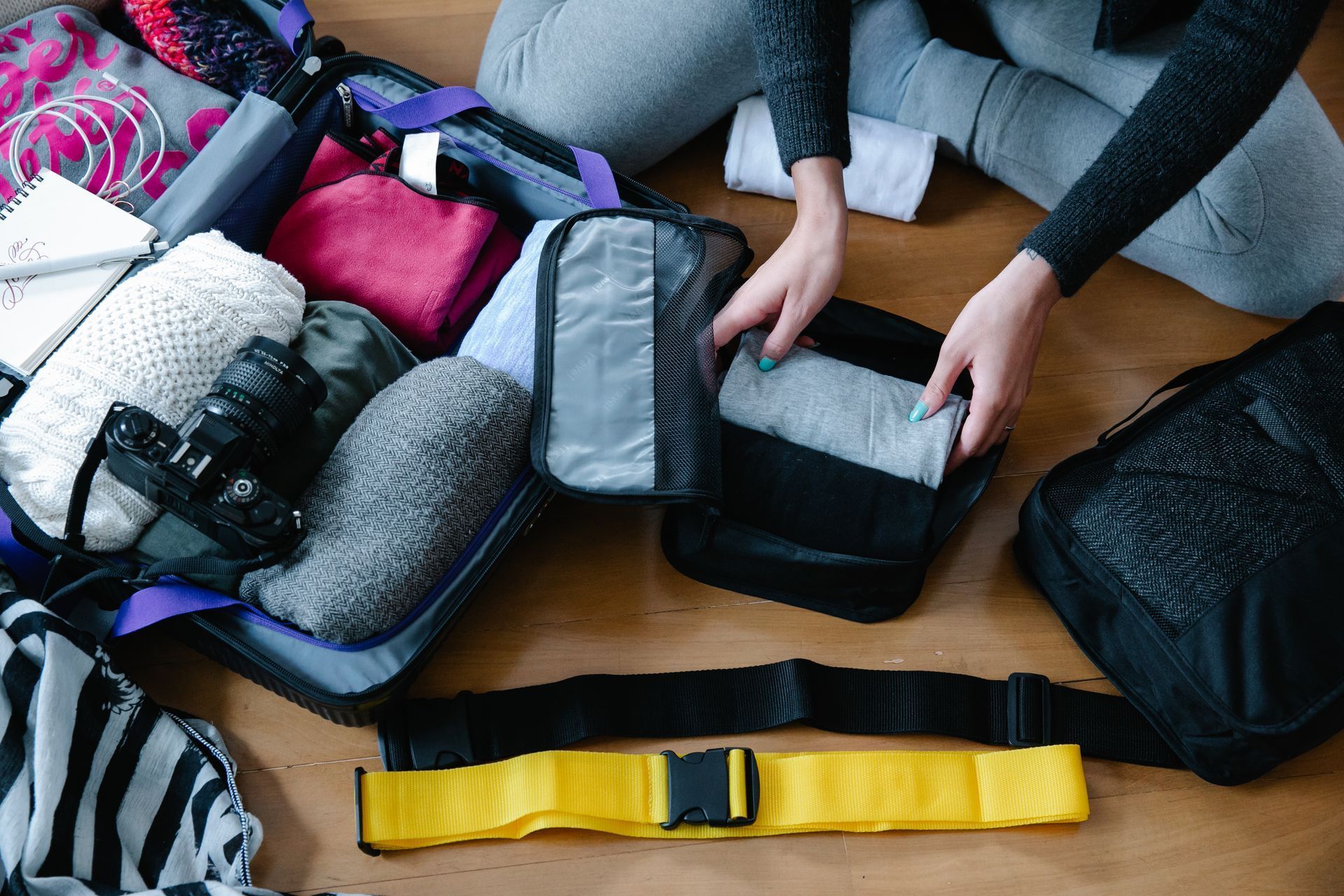
Packing for Australia is harder than packing for one climate or one kind of trip. A single backpacking route can involve humid coastal towns, cool southern cities, overnight buses, hostel dorms, beach days, hiking and possibly casual or regional work. This guide is a practical kit list for what physically goes in your bag: clothing, layers, footwear, weather gear, toiletries, electronics, key documents and optional extras.
It deliberately does not cover arrival admin. Setting up accounts, sorting tax details, finding a SIM or planning your first week belongs in a separate checklist. Here, the focus is packing strategy: what to bring, what to skip and how to avoid carrying a bag full of things you rarely use. Airline allowances vary, so check your own booking before deciding what can travel cabin-only or checked.
Packing principles that decide everything else
Pack for movement, not for every possible scenario. Assume you will carry your own bag through airports, onto buses, along hot pavements and up hostel stairs. Before adding an item, ask whether you would still want it during a sweaty transfer day. Items you use weekly earn space; items you might use once usually do not.
Build around layers rather than outfits. A light base, a warm mid layer, a rain shell and sun protection cover far more situations than bulky single-use clothing. Choose quick-drying fabrics, simple colours and pieces you can re-wear without ironing. Common basics can usually be replaced in Australian cities and larger towns, so do not pack as if every item is irreplaceable.
Clothing by climate and season
Australia is not one climate. Tropical northern regions, southern cities, inland areas, the east coast and Tasmania can feel very different depending on timing. Your route and season should shape your clothing more than a generic idea that Australia is always hot. If your plans are loose, pack for the conditions you know and leave space to adjust later.
Before finalising your bag, check a common time to visit Australia as a backpacker for your route priorities. A winter start in Melbourne and a dry-season finish in Cairns need different layers, even though both count as backpacking Australia.
For warm coastal travel, pack breathable T-shirts or singlets, shorts, swimwear, a loose long-sleeve shirt and casual evening clothes that are a step above beachwear. Hostels, tours and relaxed venues rarely need anything formal, but having one clean shirt, dress or smarter casual option helps. Underwear and socks are worth packing for regular laundry rather than daily outfit changes.
For cooler southern travel, winter timing or overnight transport, add trousers or jeans, a fleece or warm jumper, a compact jacket and warmer sleepwear. Hostel rooms and share houses can feel cold, especially in older buildings. Thin thermals or a light jumper pack smaller than a bulky coat and work for early buses, cold dorms and cooler walks.
If work is part of the plan, pack one set of clothes you do not mind ruining: an old T-shirt, long trousers, a long-sleeve shirt and a cap can cover messy first shifts. Requirements vary by employer and region, so specialised items are usually better bought locally once you know what is expected. For regional-work context, read the 88 days farm work guide.
Footwear: comfort over quantity
Shoes are heavy, so most backpackers do best with two pairs and occasionally three. First, bring reliable everyday walking shoes or trainers for travel days, city walking, sightseeing and casual work. Wear them on the plane. Second, pack sandals, thongs or slides for beaches, hostel showers and hot-weather downtime.
A third pair only makes sense if you know you will use it. Hiking shoes or boots may be worth carrying for longer bushwalks, national parks, cooler mountain regions or outdoor work. If your route is mostly beaches and cities, a decent trainer is usually enough. Break shoes in before departure; blisters are a preventable way to ruin your first week.
Rain and sun protection
A light packable rain jacket is useful across more routes than people expect, from tropical showers to windy southern days. A small dry bag or waterproof pouch helps protect electronics and documents on boats, beach days and wet transfers. For sun protection, pack a brimmed hat, sunglasses, lightweight long sleeves and sunscreen. Treat these as practical travel items, not medical advice, and restock as needed once you arrive.
Toiletries and personal items
Keep toiletries compact: refillable containers, toothbrush, toothpaste, deodorant, razor if you use one, basic grooming items and a wash bag. A quick-dry towel is worth considering because hostel towel policies vary. Avoid full-size bottles unless you truly need a specific product. If you take prescription items or personal essentials, pack what you personally need, keep important items accessible and check relevant travel requirements before departure.
Electronics, charging and adapters
A realistic electronics kit is a phone, charger, power bank, headphones and a suitable travel adapter. Add a camera only if you genuinely use one, and a laptop only if you need it for work, study or applications. Check current plug, voltage and device requirements before you buy an adapter or converter, and confirm your airline's rules for batteries and carry-on electronics before packing.
Documents to physically pack
The document layer is small but important: passport, visa confirmation, travel insurance details, driving licence if relevant, booking references and emergency contacts. Working holiday makers should keep visa-related documents accessible rather than buried in checked luggage. If you need application context, use the working holiday visa guide before you travel.
Pack redundancy without turning this into an admin checklist. Store secure digital copies of your passport, visa and insurance, keep one offline copy on your phone and consider a printed copy in a separate part of your bag. Bring a main payment card and a backup stored separately. First-week tasks can wait until your arrival plan; this section is only about what to carry.
Optional gear worth considering
Optional items depend on travel style. Packing cubes make living out of a bag easier, a laundry bag separates clean and dirty clothes, and a foldable tote or day pack helps with supermarket runs and beach days. Many long-term travellers also like a reusable bottle, earplugs, eye mask, small padlock, basic cutlery and a food container for hostel kitchens.
Specialised outdoor gear changes the whole size of your luggage. A sleeping bag, mat, stove or tent only makes sense if camping is a real part of your itinerary. Browse camping and hiking trip ideas before deciding whether to bring your own kit, hire gear, join tours or buy second-hand after arrival.
What to leave behind
Leave bulky formal clothing, a second jacket, too many shoes, full-size toiletries, heavy books, duplicate electronics and items packed only for unlikely scenarios. Also think carefully about sentimental or expensive belongings, because dorms, buses and shared cars are not high-security spaces. Everyday clothing, toiletries and travel basics are generally easier to replace than they are to carry everywhere, though remote areas require more planning.
Compare packing styles for Australia
The right packing style depends on trip length, transport style, work plans and how much you tolerate carrying. Travelling lighter makes transfers easier but means more laundry and fewer backups. Packing more can suit camping, cooler routes or long stays, but every extra item follows you through buses, hostels and airports.
A simple test: if you will change accommodation often, lean smaller. If you will base yourself somewhere for months, work outdoors or spend serious time camping, extra capacity may be worth it. The biggest trap is packing for the most demanding two weeks of a long trip and carrying that gear through every easy week as well.
Common packing questions
context, read about how backpackers find work in Australia.
Can I buy things after I arrive? Common clothing, toiletries and travel basics are generally available in cities and larger towns, but remote routes need more planning. The hard-to-replace items are your passport, visa evidence, cards, insurance details and personal essentials.