Where to stay in Melbourne for backpackers
Choosing where to stay in Melbourne changes how you experience the city. This guide compares the CBD, inner north and St Kilda for backpackers without ranking individual hostels.
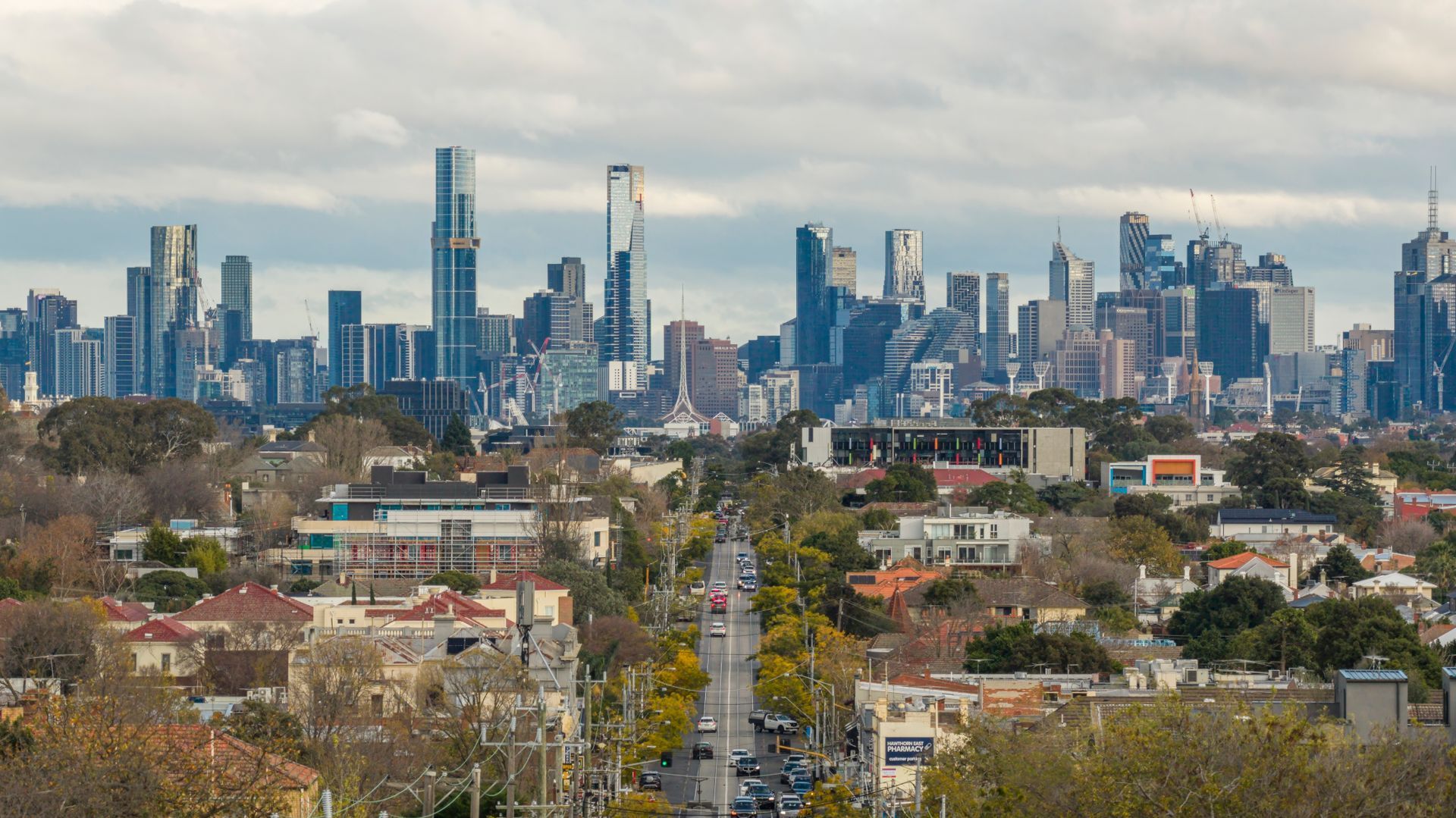
Melbourne is tram-friendly, but it is also spread out. The area you choose affects how easy your first arrival feels, how far you are from nightlife and food, whether the beach is part of your routine, and how much time you spend on trams each day.
This guide is for first-time backpackers, solo travellers and Working Holiday arrivals deciding between the Melbourne CBD, Carlton, Fitzroy, Collingwood and St Kilda. It is not a hostel ranking and it does not invent nightly rates. The focus is area fit: convenience, atmosphere, transport and length of stay. For wider city context, use the Melbourne destination guide.
Short answer: consider the CBD for short stays and simple arrival logistics, the inner north for food, bars and live music, and St Kilda for beach access. If you are arriving on a Working Holiday, your first few nights do not need to decide your long-term suburb.
Quick picks for different trip styles
The right Melbourne base depends on your arrival time, how long you are staying, whether you want late nights or quieter evenings, and how comfortable you are using public transport. Treat these as starting points rather than fixed rules.
First visit: Melbourne CBD or Carlton often suits travellers who want central access, easy orientation and short travel times to the main city sights.
Nightlife, food and live music: Fitzroy and Collingwood suit travellers who want bars, gigs, casual food and a more local-feeling base. Carlton is useful if you want food and student energy without being right in the busiest night-out pockets.
Beach access: St Kilda is the clear beachside option, but it is not central Melbourne. Choose it if foreshore walks and a coastal pace matter more than being close to the CBD every day.
Without a car: The CBD, Carlton, Fitzroy and Collingwood are usually practical for tram-based travel. St Kilda can also work without a car, but you need to accept extra travel time into the centre and inner north.
Longer stays: Working Holiday travellers should think about work, study, inspections and daily commute time rather than choosing only around first-week sightseeing.
How to choose between the CBD, inner north and St Kilda
The CBD is the more straightforward base to understand when you first arrive. Southern Cross Station, city trams, laneways, galleries, shopping streets and many tour pick-ups are nearby. The trade-off is that it can feel more city-focused than neighbourhood-focused, especially if you are staying longer than a few nights.
The inner north — mainly Carlton, Fitzroy and Collingwood for this guide — gives you a more local routine while staying close to the centre. Expect cafes, bars, casual food, pubs, music venues and a stronger neighbourhood feel than the CBD grid.
St Kilda is different again. It is beachside Melbourne, not central Melbourne. It suits travellers who want foreshore walks, sunsets and a coastal atmosphere, but it adds time when you are heading back to the CBD, Carlton, Fitzroy or Collingwood.
Melbourne neighbourhoods for backpackers
Melbourne CBD for first visits and short stays
The CBD is the practical choice if you want to arrive, drop your bag and start exploring with minimal planning. It works well for short city stops, airport-to-city arrivals via Southern Cross, day tours, galleries, laneways and simple connections to other suburbs. Backpacker accommodation is spread around the city grid and nearby transit corridors, so check walking distance to tram or train stops rather than choosing by suburb name alone.
Carlton for food and a soft landing near the city
Carlton is a useful compromise if you want to be near the CBD without sleeping in the city grid. Lygon Street, casual food, student life and nearby parks give it a softer landing than the busiest nightlife areas. It can suit first-time visitors, longer-stay travellers inspecting rooms and backpackers who want access to Fitzroy or the CBD without choosing the loudest pocket.
Fitzroy for bars, live music and neighbourhood streets
Fitzroy often suits social travellers who prefer neighbourhood streets over a central city grid. It has cafes, pubs, bars, vintage shops, art spaces and live music close together, which makes it easy to build nights around walking rather than constant cross-city travel. It is close to the CBD, but it sits outside the Free Tram Zone, so plan for Myki or another valid ticket once your journey leaves the free central area.
Collingwood for nightlife and inner-north stays
Collingwood suits travellers who want bars, casual dining, gigs and a neighbourhood base close to the city. Choose it for nightlife and local evenings rather than pure arrival convenience: it is not as simple for a late airport arrival as the CBD, and it is not beachside. For longer stays, it can work well if your work, study or share-room inspections are nearby — without assuming jobs are concentrated in any one suburb.
St Kilda for beachside Melbourne, not the city centre
St Kilda is the area to consider if beach access is a major part of your Melbourne plan. The foreshore, sunsets, casual bars and coastal pace give it a different rhythm from the CBD and inner north. The trade-off is location: St Kilda is not central Melbourne, so daily trips to city attractions, Carlton, Fitzroy or Collingwood take more planning. Compare accommodation by tram access and beach-versus-city balance rather than assuming every St Kilda address is equally convenient.
Richmond and Southbank as secondary options
Richmond can be practical if you have work, sport, gigs or appointments nearby, and Southbank gives easy river access and a short walk into the CBD. Both can make sense for a specific reason, but they are not usually the main comparison set for backpackers choosing between central convenience, inner-north nightlife and St Kilda beach access.
CBD, inner suburbs and St Kilda trade-offs
Choose the CBD if you want straightforward arrival, short-stay convenience, transport links and easy access to laneways and galleries. Choose Carlton, Fitzroy or Collingwood if you want food, bars, gigs and a more local routine while staying close to the centre. Choose St Kilda if your Melbourne image includes beach walks and coastal evenings, and you accept the extra travel time.
For Working Holiday travellers, your first hostel area does not need to be your long-term suburb. Book a practical first base, inspect rooms, check commute times and move once you understand your routine. If you plan to work while you are in Melbourne, this guide to how to find backpacker jobs in Australia explains where to look without assuming work is likely in any one neighbourhood.
Getting around Melbourne without a car
Most backpackers can manage Melbourne without a car if they choose a base near trams, trains or realistic walking routes. Melbourne’s Free Tram Zone covers the CBD and Docklands — check the current PTV Free Tram Zone map for stop-level boundaries, because they are marked on stops and can be easy to misjudge. Carlton, Fitzroy, Collingwood and St Kilda sit outside that free central area, so you need a valid ticket such as Myki for those trips. Check current Transport Victoria information before you travel rather than planning around fare guesses.
For airport arrival, one common option is SkyBus between Melbourne Airport (Tullamarine) and Southern Cross Station. It is not the only transfer: taxis, rideshare, hotel shuttles and PTV airport bus services also operate, and other SkyBus routes serve some bayside and suburban corridors. Check current options close to your arrival time — SkyBus City Express does not run through the middle of the night. From Southern Cross, the CBD and tram network are straightforward; if you are staying in St Kilda or the inner north, check the onward route before booking a late arrival. For activity planning, use the Melbourne things to do guide to see what you want to be close to.
When to book ahead in Melbourne
Book earlier around major events, public holidays, summer weekends and arrival periods when demand can tighten across more than one neighbourhood. Avoid relying on last-minute availability if your dates are fixed. If your wider route is flexible, our guide to a common time to visit Australia as a backpacker can help you think through seasonal planning.
Working Holiday arrivals may prefer a shorter first booking so they can inspect rooms, attend interviews or move closer to work once plans become clearer. When comparing places to stay, check cancellation terms, luggage storage, kitchen access, laundry, nearest tram or train stop and your late-night route home.
How long to stay in Melbourne
There is no perfect stay length. Three days gives you a compact city stop: CBD orientation, laneways, one inner-north evening and possibly a St Kilda sunset. Four to five days is more comfortable for a first visit, with time for Carlton, Fitzroy, Collingwood, galleries, markets and slower meals. A week or more suits travellers testing neighbourhoods, catching gigs, doing life admin or starting a Working Holiday routine.