Where to stay in Sydney for backpackers
Choosing where to stay in Sydney shapes your transport time, beach access, nightlife and budget. This guide compares practical backpacker bases without ranking individual hostels.
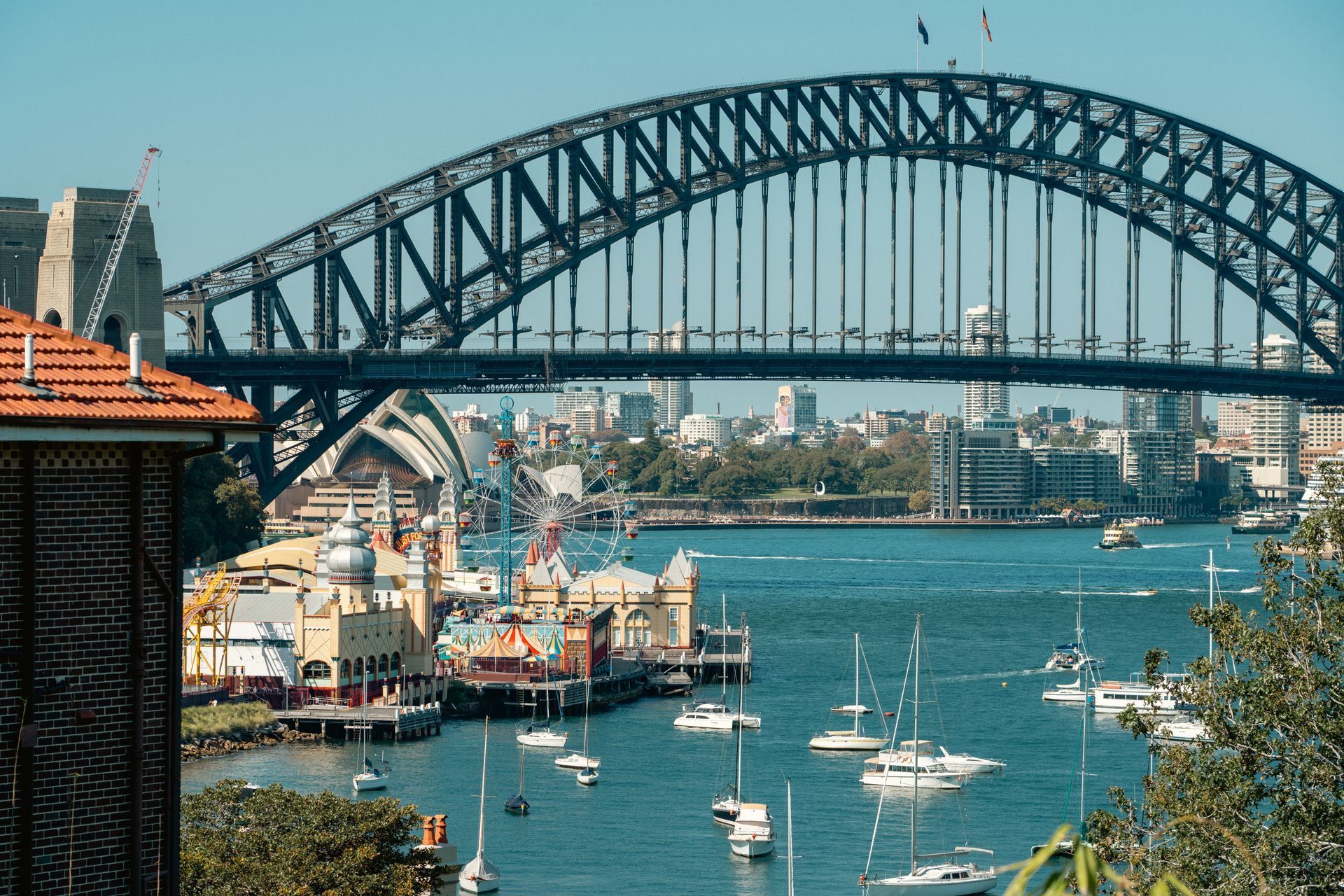
Sydney is a spread-out city, so where you stay matters more than it might in a smaller backpacker stop. A base near Central Station, a hostel in Bondi and a room around Newtown can all make sense, but they create very different days: different transport links, different food options, different nightlife and a different relationship with the beach.
This is an area guide, not a ranked hostel list. It is for first-time arrivals, East Coast starters, beach-focused travellers, solo backpackers and Working Holiday makers who want to choose a practical Sydney base. For wider city context beyond choosing a neighbourhood, use the Sydney destination guide. If you are still sorting the basics after landing, use the Australia arrival checklist alongside this guide so your first few days are easier to organise.
Quick area overview
For a first visit or short stay, Sydney CBD, Central Station and Haymarket usually give the most flexible transport access. For nightlife, Kings Cross, Potts Point and Newtown may suit different styles of traveller. For beach days, Bondi and Coogee are common coastal choices, while Manly can work as a ferry-accessible beach option or day trip. For longer stays, Newtown, Haymarket and the Central area can be practical because daily basics and transport matter more once you are living in a routine.
How to choose your Sydney base
Start with your trip style rather than a famous suburb name. If you only have a few nights, convenience usually beats atmosphere. If you are staying longer, nearby supermarkets, laundry access, kitchen facilities, commute options and a neighbourhood you actually enjoy can matter more than being close to one landmark.
Budget is also more than the nightly bed rate. A central base may save transport time, while a beach base may reduce the temptation to cross the city every day. Areas with lower-cost food options and useful supermarkets can help stretch your money, especially if your accommodation has a kitchen.
Where to stay by neighbourhood
Sydney backpackers generally split between central bases, inner-east nightlife areas, beach suburbs and inner-west neighbourhoods. None is automatically best. The right choice depends on how much you value transport, beach access, social atmosphere and day-to-day convenience.
Sydney CBD and Central
The CBD and Central Station area is one of the most practical choices for first arrivals. It suits travellers who want straightforward access to trains, light rail, buses, ferries and onward transport without dragging bags across multiple suburbs. If your plans include the harbour, museums, day trips, beaches and a quick exit north or south, starting centrally gives you flexibility.
Haymarket
Haymarket, including the Chinatown area, can suit backpackers who want a central base with plenty of casual food options and easy access to Central Station. It is useful for short stays, arrivals and travellers who expect to spend each day moving around Sydney rather than staying in one beach suburb. The area is busy and urban rather than scenic, but that is part of why it works as a practical base.
Kings Cross and Potts Point
Kings Cross has long been a backpacker and nightlife base, while neighbouring Potts Point has more cafe and dining streets. The area can suit solo travellers who want social options and a base close to the city without staying right in the CBD. Nightlife varies by street and night of the week, so check the exact address and recent guest notes rather than relying on the area’s older reputation alone.
Bondi
Bondi is the classic Sydney beach base. It suits travellers who want early swims, coastal walks, surf lessons, cafes and a social beach atmosphere. The trade-off is transport: Bondi is not on the train network, so buses are part of most trips into the city. It works best when beach time is the point of your Sydney stay, not an occasional add-on.
Coogee
Coogee is another beach option, with coastal walk access and a more residential feel than Bondi in many parts. It may suit travellers who want beach days without choosing the most famous Sydney beach suburb. Like Bondi, it is less convenient for some city and onward transport plans than a Central or Haymarket base, so check routes before assuming it will fit every day trip.
Newtown
Newtown is the inner-west option for travellers who want a local neighbourhood feel, casual food, bars, vintage shops and live music rather than a beach-first base. The train connection keeps Central within easy reach, and the area can work well for longer stays when supermarket access, kitchens and a regular commute matter more than tourist convenience.
Manly as a ferry-accessible option
Manly can suit travellers who specifically want a northern beaches feel and are comfortable using the ferry to reach the city. It is also a popular day trip from Circular Quay. For a first Sydney base, though, it may be less practical if your main plans involve the airport, Central Station, inner suburbs or quick onward travel.
Central base or beach base
A central base is usually stronger for arrivals, short stays, onward transport, day trips, harbour sights and mixed itineraries. A beach base is stronger for slow mornings, coastal walks, surf lessons and travellers who do not mind extra time crossing the city. If you are unsure, starting centrally for a few nights and moving later can be a sensible compromise, especially once you know whether Sydney is a quick stop or a longer base.
Getting around without a car
Most backpackers do not need a car in Sydney if they choose a base with useful public transport. Trains are the backbone for many central and inner-suburb trips, buses fill important gaps to the beaches, light rail helps across parts of the city and ferries connect harbour suburbs, including Manly. A Central Station base is not the same as a Bondi or Manly base for day-to-day travel time, so match the area to the trips you will actually make.
Sydney uses Opal and contactless payments across public transport. Airport access is also possible by public transport, including train and bus connections, but routes, fares and service patterns can change. Check current Transport for NSW information before travelling rather than relying on old forum posts or fixed journey-time assumptions.
When to book ahead
Booking earlier can help around summer, school holidays, long weekends, Friday or Saturday nights and major events, when central and beach areas can fill faster. Outside those busy periods, last-minute options are often still available, but a confirmed first night near an easy arrival point is still useful after a long-haul flight. Avoid treating one search result as a permanent rule for the whole year.
How long to stay in Sydney
Many first-time backpackers stay a few nights so they can see the harbour, explore at least one beach area and handle practical arrival tasks before moving on. If you want more ideas beyond choosing an area, the things to do in Sydney guide can help you decide whether to add extra nights.
Travellers using Sydney as an East Coast starting point may stay longer while they get organised, compare routes and decide whether to head north quickly or slow down. If that is your plan, read the East Coast backpacker route guide before locking in too much accommodation. Working Holiday travellers may stay longer again if they are looking for work, attending inspections or setting up a stable routine.